Choosing the right roofing material is a crucial decision for any homeowner, as it impacts both the aesthetics and functionality of your home. With numerous options available, from traditional clay tile to modern metal roofing, understanding the nuances of each material becomes essential. This practical guide aims to empower homeowners by offering a detailed checklist for evaluating roofing materials, especially when navigating the unique challenges of the desert climate. We'll explore key factors, from cost and longevity to safety and energy efficiency, and highlight the importance of heat-tolerant underlayments in extreme conditions. By the end, you'll be well-equipped to make an informed decision that aligns with your home's needs and local regulations.
- Assess Climate: Choose Heat-Resistant Shingles
- Material Options: Compare Durability and Cost
- Underlayment Selection: Prioritize Heat Tolerance
- Installation Considerations: Ensure Proper Protection
Assess Climate: Choose Heat-Resistant Shingles
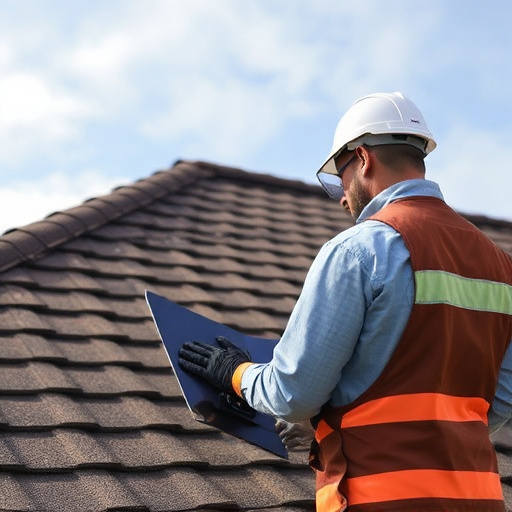
When selecting roofing materials, understanding your region's climate is paramount. In southern Arizona, for instance, the intense desert heat requires heat-resistant shingles that can mitigate high temperatures, reduce cooling costs, and minimize the risk of damage from extreme weather conditions. This checklist guides you in choosing the right materials, with a focus on heat-tolerant options.
One key consideration is thermal emittance, which measures a material's ability to reflect heat. Shingles with high thermal emittance can significantly reduce the amount of heat transferred into your home, lowering attic temperatures and decreasing energy consumption for cooling. Look for products specifically designed for desert climates, as they will often have higher emittance ratings. A licensed Arizona roofer can offer expert advice on suitable options.
Spray polyurethane foam (SPF) is a popular choice for attics in hot climates. It provides exceptional insulation, closing gaps and creating a seamless barrier that protects against heat gain. SPF is lightweight, making it well-suited for structures without the load-bearing capacity for heavier materials. SPF can be installed over existing roofs, making it a versatile solution for renovations. However, ensure that your roof deck is in good condition and properly supported to handle the additional load.
HOA architectural review processes, common in communities like those governed by the Southern Arizona Homeowners Association (SAHA), may impact your roofing choices. Certain styles or colors may be restricted, and you'll need to ensure your selected materials align with community guidelines. Heat-tolerant underlayments, which act as a protective layer between the shingles and the roof deck, are a wise investment, even if not strictly required by building code regulations. They offer added protection against heat transfer and can contribute to a longer-lasting roof.
Material Options: Compare Durability and Cost

When choosing between roofing materials, a homeowner must weigh durability and cost. Concrete and clay tile, for instance, offer distinct advantages and drawbacks. Concrete roofs, while incredibly durable and resistant to fire, can be significantly heavier, requiring reinforced structures and adding to installation costs. Clay tile, on the other hand, provides excellent insulation and a Class 4 impact rating, meaning it can withstand high winds and hail, but it's less fire-resistant than concrete and may need more frequent repairs.
A crucial consideration is the material's thermal emittance, or how well it reflects heat. In the intense desert heat of Tucson, heat-tolerant underlayments are essential. Asphalt shingles, a common choice due to their affordability and ease of installation, may not be the best option in our climate. They can contribute to attic heat gain, leading to increased cooling costs. More durable alternatives, like synthetic slate and shake or metal roofing, are designed to handle the heat and offer better energy efficiency over time.
The cost of roofing materials is another significant factor. While concrete and clay tile may have a higher upfront cost, their longevity often results in better value over 30 years. Single-ply and foam roofs, with their ease of installation and excellent insulation, can be more cost-effective in the short term. However, materials like modified bitumen, known for their durability and Class A fire ratings, may come with a higher price tag. A licensed Tucson area roofing contractor can help homeowners navigate these options, offering expert advice on the best materials for their specific needs and budget.
A homeowner looking to match additions to an older Spanish-style home might prefer clay tile for its aesthetic appeal and compatibility with traditional architecture. Conversely, a carport or flat roof might be better suited to a more modern, low-maintenance material, such as rubber or composite tiles. Consider the structural integrity, local building code regulations, and personal preferences to make an informed decision. Remember, the right roofing material can not only enhance your home's curb appeal but also contribute to its energy efficiency and long-term value.
Underlayment Selection: Prioritize Heat Tolerance
When selecting a roofing underlayment, prioritizing heat tolerance is crucial in the intense desert climate. The Southern Arizona Homeowners Association (SAHA) and local climate experts from the University of Arizona advise homeowners to choose materials that can withstand high temperatures and reduce attic heat gain. This is especially important for flat roofs and Spanish-style homes, which are more susceptible to heat absorption.
Heat-tolerant underlayments play a vital role in maintaining a comfortable indoor temperature and reducing energy costs. Traditional materials like tar paper and felt are not always suitable for our region's climate, as they can become brittle and less effective in preventing heat transfer. Instead, consider advanced options like standing seam metal, which offers superior heat resistance and a long lifespan. This type of underlayment is designed to reflect heat and minimize energy loss, making it an excellent choice for hot, sunny days.
A roofing contractor serving Pima County, like DC Roofing of Arizona, can provide expert guidance on the most suitable underlayment for your specific needs. They recommend evaluating factors like material composition, reflectivity, and weight. Stone-coated steel is a popular choice due to its high heat tolerance, durability, and ability to withstand heavy loads. This versatile option can complement both flat tile and synthetic slate and shake roofs. By carefully considering heat-tolerant underlayments, homeowners can ensure their roofs remain efficient, durable, and in line with local building code regulations (AZ Building Code) and HOA design guidelines.
Installation Considerations: Ensure Proper Protection

When choosing a roofing material, it's crucial to consider the specific challenges and conditions your home faces. In our desert climate, for instance, extreme heat and potential high winds necessitate smart choices that offer adequate protection. This goes beyond initial cost or aesthetics-it's about ensuring your roof stands strong against the elements and protects your investment.
One key aspect to scrutinize is the underlayment, especially when selecting materials like synthetic slate or clay tile. Heat-tolerant underlayments are a smart investment for your roof's structural integrity. In southern Arizona, with its intense sun, temperatures can soar, causing heat buildup under the roofing materials. A heat-resistant underlayment can significantly reduce this effect, preventing warping, cracking, and other heat-related damages. Look for underlayments with Class 4 impact ratings or higher, which offer enhanced protection against high winds and flying debris.
DC Roofing of Arizona, a local Tucson area roofing contractor, recommends considering the long-term benefits of your selection. While clay tile is aesthetically appealing and can last decades, its weight and installation requirements might not suit every home, especially older structures. Conversely, synthetic slate offers a lighter alternative with a similar, elegant look. When deciding, weigh the pros and cons of each material. Single-ply roofs offer simplicity and durability, while modified bitumen systems provide a cost-effective option with good water resistance.
Remember, proper installation is paramount. Mixing and matching different roofing materials can create challenges for installers. Ensure your chosen material aligns with your home's design and your area's building code regulations. For Spanish-style homes, tile or synthetic slate can complement their architectural character. Carports may require specific materials suited for heavier loads, while flat roofs present opportunities for energy-efficient options. Always consult with a licensed roofer, like DC Roofing, to get expert advice tailored to your specific needs and ensure your roof is protected for years to come.
Frequently Asked Questions About a Homeowner Checklist for Comparing Roofing Material Options
What are the key factors to consider when choosing a roofing material? When selecting a roofing material, homeowners should consider durability, cost, maintenance, and aesthetic appeal. Material options like asphalt shingles, clay tiles, and metal roofing each offer unique benefits. Asphalt shingles are affordable and easy to install, while clay tiles provide excellent insulation and a timeless look. Understanding your climate, budget, and desired maintenance level is crucial before making a decision.
How do I know if my roof needs replacing? Regular inspections can help identify signs of wear and tear, such as damaged or missing shingles, leaks, and mold growth. If your roof is older than 20 years, exhibits these issues, or has significant energy inefficiencies, it might be time for a replacement. A licensed Tucson area roofing contractor, like DC Roofing of Arizona, can perform a thorough assessment to guide your decision-making process.
What are the benefits of metal roofing? Metal roofing offers superior durability, with materials like aluminum and steel withstanding extreme weather conditions. It's known for its long lifespan, requiring minimal maintenance, and can even improve a home's energy efficiency. Metal roofs are also highly versatile, available in various colors and styles to match different architectural designs.
Are clay tiles a good option for southern Arizona? While clay tiles are popular for their aesthetic appeal and durability, they can be susceptible to damage from extreme heat and freeze-thaw cycles common in southern Arizona. Regular maintenance, such as cleaning and re-sealing, is necessary to keep them in good condition. However, when properly installed, clay tiles can provide a charming, low-maintenance option for local homeowners.
How do I create an effective homeowner checklist for roofing materials? Your checklist should include criteria like material type, cost, warranty, local availability, and environmental impact. Consider the specific needs of your home, climate, and budget. If energy efficiency is a priority, look for materials with high reflectivity or insulation properties. A local roofing company serving Tucson and Oro Valley can offer valuable insights tailored to your region.
What should I look for when comparing warranties? When comparing warranties, pay attention to the duration, coverage scope, and exclusions. A comprehensive warranty should cover materials and labor for an extended period, with few to no exclusions. Ensure the warranty provider is reputable and offers support during the entire warranty period. This offers peace of mind and protects your investment.
Can I install a new roof myself, or should I hire a professional? While some homeowners may be inclined to DIY, roof installation is best left to licensed professionals. Roofing involves complex tasks, including proper flashing, ventilation, and safety considerations. A licensed Arizona roofer with an ROC license has the expertise and equipment to ensure a safe, durable installation, saving you time and potential repair costs down the line.
When making your roofing decision, remember that the best choice depends on your specific climate, budget, and building needs. By assessing your region's heat tolerance, comparing material durability and costs, selecting a heat-resistant underlayment, and ensuring proper installation, you can create a roof that protects your home for years to come. Heat-tolerant underlayments, in particular, offer a crucial layer of defense against intense desert heat, extending the lifespan of your roofing materials.
This checklist guides you in navigating the complexities of roofing materials, empowering you to make an informed choice that aligns with both your aesthetic preferences and your home's structural integrity. Whether you're considering concrete, clay tile, metal, or synthetic slate, understanding these key factors ensures a job well done that enhances your home's value and safeguards against the elements.
When selecting roofing materials in southern Arizona, prioritize heat tolerance to mitigate desert heat's impact. Consider:
- Thermal emittance: Choose materials with high emittance ratings to reflect heat and reduce attic temperatures.
- Spray polyurethane foam (SPF): Provides exceptional insulation, suitable for hot climates and renovations.
- Heat-tolerant underlayments: Essential for protecting against heat transfer, contributing to a longer-lasting roof.
- Building code and HOA regulations: Ensure materials align with local guidelines, like those from SAHA.
- Cost vs. Durability: Balance upfront cost against long-term value, considering material longevity and energy efficiency.
- Aesthetics and home style: Match materials to your home's architecture, like Spanish-style tile or modern composite tiles.
- Expert advice: Consult a licensed Arizona roofer for tailored recommendations and proper installation.