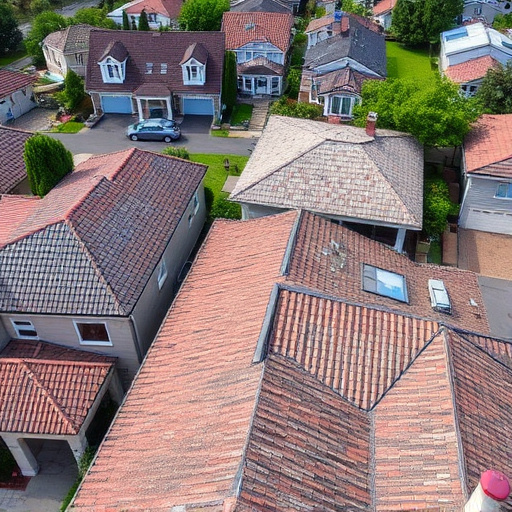
Choosing the right roofing material is a critical decision for any homeowner. The roof protects your house from the elements, influences its energy efficiency, and even contributes to your home's resale value. However, navigating the options-from concrete vs. Clay tile to synthetic slate and shake, single-ply vs. Foam roofs, and more-can feel overwhelming. This checklist guides you through the key considerations, from material reflectivity ratings and long-term costs to local building codes and HOA approvals. By the end, you'll be equipped to make an informed decision that suits your home's needs, climate, and your budget.
- Evaluating Material Options: Key Factors for Homeowners
- Understanding Reflectivity: Energy Efficiency & Cost Savings
- Durability & Warranty: Long-Term Protection for Your Roof
- Installation & Maintenance: Practical Considerations for Success
Evaluating Material Options: Key Factors for Homeowners

When evaluating roofing material options, homeowners must consider several key factors that go beyond initial aesthetics. While a licensed Tucson area roofing contractor can guide you through the process, understanding these aspects allows you to make a fully informed decision. Two primary contenders often emerge: concrete and clay tile. Each has unique characteristics that influence your choice, especially in Oro Valley's climate.
One crucial consideration is material reflectivity ratings. This measures how well a roof reflects sunlight, which directly impacts energy efficiency. Higher reflectivity ratings can reduce the heat transferred into your home, lowering cooling costs. Lighter-colored concrete and some composite materials often have superior reflectivity, making them suitable for hot, sunny climates like ours. Conversely, clay tile, known for its traditional aesthetic, typically has lower reflectivity, which can contribute to increased attic heat gain.
Structural integrity and durability are also paramount. Look for materials with a Class 4 impact rating or higher, which offers superior resistance to debris and wind damage, essential in our wind-prone areas. Concrete, with its exceptional compressive strength, naturally meets or exceeds these standards. Clay tile, while durable, might require additional reinforcement for high-wind regions, and its fragility can make it more susceptible to damage during installation and transportation. When considering the roof load, concrete's weight advantage over clay tile can be a deciding factor in Oro Valley's diverse architectural styles.
Another factor to weigh is maintenance. Concrete requires minimal upkeep, offering long-term low-maintenance benefits. Clay tile, while also low-maintenance, may need occasional cleaning and repair, especially in areas prone to mold and mildew. Material warranties vary, so review them carefully to ensure adequate coverage for your chosen option. Some manufacturers offer extended warranties for concrete due to its durability, while clay tile warranties may be more focused on aesthetic defects. Remember, the right roofing material should not only enhance your home's exterior but also provide long-term value and peace of mind.
Understanding Reflectivity: Energy Efficiency & Cost Savings

Choosing the right roofing material is a significant decision that impacts both the aesthetics and functionality of your home, especially in a climate like southern Arizona's. When comparing concrete and clay tile, a crucial factor to consider is material reflectivity ratings, which play a significant role in energy efficiency and cost savings over time.
Material reflectivity, measured in thermal emittance, refers to how well a roofing material reflects sunlight and heat back into the atmosphere. Higher reflectivity means less heat is absorbed by the roof, leading to reduced energy consumption for cooling. In our desert climate, where summers can be scorching, this is a critical consideration. A reflective modified bitumen roof can significantly lower attic heat gain, thereby decreasing the load on your air conditioning system.
When selecting a material, remember that not all reflectivity is created equal. Some materials, like rubber and composite tiles, also offer excellent reflectivity but may have different benefits and drawbacks. An experienced southern Arizona roof specialist can help you navigate these options, especially when considering the local climate and building code regulations (AZ Building Code). The choice of underlayment can impact reflectivity. Heat-tolerant underlayments, designed to withstand high temperatures, can contribute to overall energy efficiency.
Over the long term, material reflectivity ratings can influence the cost-effectiveness of your roofing investment. While the initial material and installation costs may vary, a reflective roof can lead to substantial savings on energy bills. Some insurance providers, like State Farm, offer discounts for homes with energy-efficient features, including reflective roofing. By understanding and prioritizing material reflectivity, homeowners can make informed decisions that align with both their aesthetic preferences and long-term financial goals.
Durability & Warranty: Long-Term Protection for Your Roof
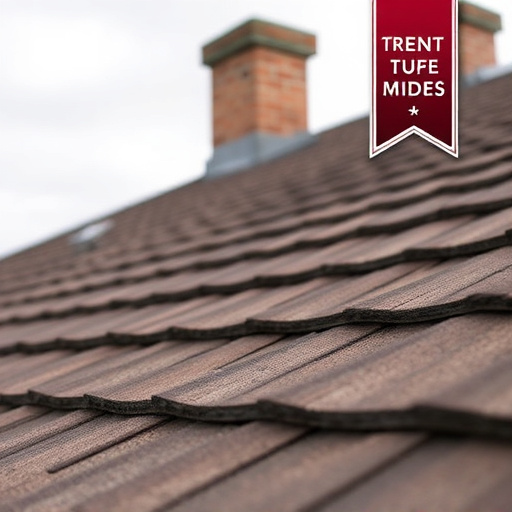
When evaluating roofing materials, durability and warranty are paramount. As a homeowner, you're looking for a roof that not only protects your home from the elements but also offers long-term peace of mind. This involves not just considering the initial cost and aesthetics, but also the material's resistance to wear, tear, and environmental factors.
Clay tile, a traditional favorite in our region, offers excellent durability and comes with a host of environmental benefits. Its natural insulative properties help regulate indoor temperatures, reducing energy costs. Clay tile has a high material reflectivity rating, which means it reflects a significant portion of the sun's heat, keeping your home cooler and cutting down on cooling expenses. However, it's not without its drawbacks; clay tile is heavy, which may require reinforcement for older structures, and its installation can be more labor-intensive.
In contrast, stone-coated steel roofing is a modern alternative that combines the durability of metal with the aesthetic appeal of clay tile. This material is lightweight, making it suitable for a wide range of structures, including older homes. It's also highly resistant to corrosion and offers excellent wind resistance, crucial for our region's occasional high winds. Stone-coated steel roofing typically comes with a manufacturer's warranty of 25 to 50 years, providing long-term protection. Its reflective surface can contribute to energy efficiency, though its solar reflectance index may be lower than clay tile.
When making your decision, consider material reflectivity ratings, which measure how well a roof reflects sunlight. Higher ratings translate to better heat rejection, which can lead to significant energy savings. A licensed Tucson area roofing contractor can offer expert advice tailored to your home's specific needs. They can also help you navigate local building codes and HOA design guidelines, ensuring your chosen roofing material not only enhances your home's exterior but also complies with all necessary regulations.
Installation & Maintenance: Practical Considerations for Success

When considering roofing materials, installation and maintenance are crucial factors that can significantly impact your long-term satisfaction and the value of your home in Oro Valley. Each material has unique characteristics that affect its performance during and after installation, and understanding these is key to making an informed decision.
Synthetic slate offers a high material reflectivity rating, which can be advantageous in our desert climate. This rating helps to reflect heat, reducing the amount of heat transfer into your home and potentially lowering cooling costs. However, it's essential to consider the weight of the material, especially if your roof is subject to high wind loads. Materials like TPO (thermoplastic polyolefin) are known for their light weight and durability, making them suitable for areas prone to strong winds. A licensed Arizona roofer can guide you on the appropriate material weight limits as per the AZ Building Code and your local HOA design guidelines.
Regular maintenance matters in keeping your roof in top condition. Some materials, like concrete tiles, are known for their low maintenance requirements. They are durable and resistant to rot and pests, which means less frequent repairs and replacements. In contrast, materials like rubber or composite tiles might require more frequent cleaning to maintain their appearance and prevent mold growth. Regular inspections are recommended to identify any issues early, such as loose shingles or damaged underlayments, ensuring prompt repair and preventing more extensive damage.
Before installation, ensure that your chosen roofing material aligns with your home's architectural style and local building code regulations. For Spanish-style homes, certain roofing materials, like clay tiles, have been traditionally used and may be preferred to maintain the home's aesthetic appeal. Consider the noise levels of different materials; some can be more obtrusive during installation, which may impact your daily life for a few days. By understanding these practical considerations, you can make a well-informed decision that ensures a successful roofing installation and minimizes future maintenance headaches.
Frequently Asked Questions About a Homeowner Checklist for Comparing Roofing Material Options
What is the most important factor to consider when choosing a roofing material?
The most crucial factor is your local climate. Different roofing materials have varying lifespans and resistance to extreme weather conditions. In a region prone to heavy snowfall and freezing temperatures, a more durable and freeze-resistant material like metal roofing might be preferable. Consider the specific challenges posed by your environment to ensure long-term protection for your home.
How do I determine the cost-effectiveness of each option?
While initial installation costs vary, the long-term value of each material should be considered. Some options, like asphalt shingles, are more affordable upfront but require frequent replacements. On the other hand, materials like tile or metal may have higher initial costs but offer superior durability, reducing future replacement expenses. Researching average lifespans and installation costs for each type can help you make an informed, cost-effective decision.
What factors should influence my decision beyond cost and climate?
Consider the aesthetics you prefer, your home's architectural style, and local building codes. Some roofing materials, like wood shakes, add a distinct visual appeal to certain home designs. Certain areas may have specific requirements for fire resistance or energy efficiency, impacting your choice. Always check local building regulations to ensure compliance.
How can I tell if a roofing material is suitable for my home's structure?
Different materials have unique weight and load requirements. It's crucial to ensure the structure of your home can support the chosen roofing material. Consult a licensed roofer or an architect to assess your home's structural integrity and recommend suitable options. They can verify if the material's weight is within your home's load-bearing capacity.
What are the environmental considerations when selecting roofing materials?
The environmental impact of roofing materials varies. For eco-conscious homeowners, consider materials like metal or clay tiles, which have a lower carbon footprint and are more recyclable. Asphalt shingles, while abundant, contribute to higher environmental emissions during production. Choosing sustainable options not only benefits the planet but may also qualify for tax incentives in some regions.
Do I need professional help when comparing roofing options?
While comparing materials is manageable for homeowners, seeking expert advice is beneficial. A licensed roofing contractor can offer specialized insights, ensuring you make a well-informed decision. They can also assist with the installation process, ensuring a proper and secure fit, which is crucial for the long-term performance of your roof.
When weighing roofing material options, homeowners should consider material reflectivity ratings as a key factor. Higher reflectivity can significantly reduce energy costs by minimizing heat gain in the attic, an aspect that becomes increasingly important in the desert heat. Durable materials with strong warranties offer long-term protection, ensuring your roof withstands the test of time and harsh environmental conditions.
Practical considerations like installation complexity and maintenance requirements can impact both initial costs and future expenses. Some materials may require specialized installation methods, while others necessitate regular cleaning to maintain their aesthetics and performance. Understanding these factors allows homeowners to make informed decisions, balancing cost, aesthetics, and longevity.
Next steps include consulting with local roofing contractors who can provide expert advice tailored to your home's unique needs. Reviewing material sample boards and understanding the material's weight class, especially in areas prone to high winds, can also help in making a well-informed choice. By considering these key insights and taking practical steps, homeowners can ensure their roofs are not just a protective shell but also a sound investment that enhances their home's value and energy efficiency.
When choosing between concrete and clay tile for your Oro Valley roof, consider:
- Material Reflectivity Ratings: Higher ratings (measured in thermal emittance) reduce heat transfer, saving on cooling costs in our hot climate. Concrete and some composite materials typically have superior reflectivity.
- Structural Integrity & Durability: Concrete excels in these areas, exceeding Class 4 impact ratings. Clay tile is durable but may require reinforcement in wind-prone areas and is more fragile during installation and transport.
- Maintenance: Concrete is low-maintenance, while clay tile may need periodic cleaning and repair. Material warranties vary; concrete often has longer warranties due to its durability.
- Long-term Cost-Effectiveness: Material reflectivity ratings can impact energy costs. Reflective roofs, like concrete, can save 40% on energy bills, and some insurance providers offer discounts for energy-efficient roofing.
- Installation & Local Regulations: Ensure your chosen material complies with the AZ Building Code and your HOA's design guidelines. Installation noise and weight limits are also practical considerations.