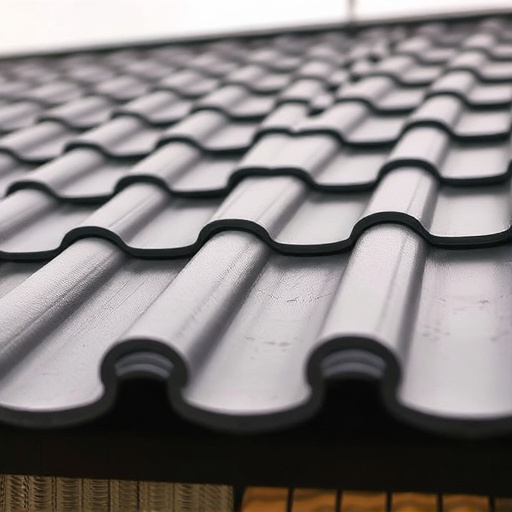
Choosing the right roofing material is a crucial decision for any homeowner, especially in regions like southern Arizona, where extreme weather conditions can vary from scorching desert heat to powerful storms. When comparing concrete and clay tile, factors like fire, hail, and wind resistance, as well as weight limits, become critical considerations. This article examines the complexities of these ratings, guiding homeowners and contractors alike in making informed choices. We'll explore the practical implications of different materials, their longevity, and how they stack up against local climate challenges, particularly in the Tucson area, ensuring your roof stands strong against the elements and adds value to your property while adhering to building codes and HOA guidelines.
- Understanding Fire, Hail, and Wind Ratings
- Material Selection: Weighing Strength vs. Cost
- Roof Material Weight Limits: Design Considerations
- Ensuring Durability: Testing Standards & Practices
Understanding Fire, Hail, and Wind Ratings

When choosing roofing materials, understanding fire, hail, and wind ratings is crucial, especially in a region like southern Arizona where extreme weather conditions are common. These ratings provide essential insights into the durability and safety of different roofing options, particularly when considering the unique challenges posed by the local climate. Tucson's hot, dry summers and occasional severe storms necessitate materials that can withstand both high temperatures and powerful weather events.
Fire, hail, and wind ratings are critical indicators of a roofing material's performance. Concrete and clay tile are popular choices in this region, each with its own set of advantages and limitations. Concrete roofs are known for their exceptional fire resistance, often carrying Class A fire ratings, the highest available. This makes them a smart choice for areas prone to wildfires, like southern Arizona. Concrete's durability and low maintenance make it a long-lasting option. Clay tile, on the other hand, offers excellent hail resistance, a significant factor in a region like Tucson where hail storms can be intense. While clay tile may not always have the same fire or wind ratings as concrete, its robust construction and natural resistance to weathering make it a preferred choice for many homeowners.
When evaluating roof material weight limits, it's important to consider the structural integrity of your home. Different roofing materials have varying weights, and an experienced southern Arizona roof specialist can help ensure the structure can support the chosen material. For flat roofs or carports, materials like single-ply membranes or foam roofs are popular due to their light weight and ease of installation. In contrast, more heavy-duty options like modified bitumen, known for its durability and water resistance, may be indicated for sloped roofs to handle the weight and provide adequate drainage. Understanding these ratings and their implications is key to making an informed decision that aligns with your home's specific needs and local building code regulations, such as those outlined by the Arizona Department of Housing and local building inspectors.
Material Selection: Weighing Strength vs. Cost

When choosing roofing materials, a key consideration is the interplay between weight and cost. The weight of a roofing material is crucial, especially in regions with strict roof material weight limits-like Arizona. A roofer with an Arizona ROC license will tell you that the state has specific guidelines regarding the maximum weight a roof structure can support, which directly influences material selection.
Concrete, known for its dense composition, often exceeds these limits, making it impractical for many homes unless special structural modifications are made. Clay tile, a popular choice in the region, typically weighs less, making it a more immediate option. However, the cost of clay tile can be significantly higher, creating a balancing act for homeowners. According to the National Roofing Contractors Association (NRCA), tile's high upfront cost is often offset by its longevity and reduced maintenance.
In contrast, metal roofing, though lightweight, can be a cost-effective solution in certain scenarios. Metal offers excellent durability and resistance to extreme weather, making it a top choice in areas prone to high winds and hail. Underlayments like TPO (thermoplastic polyolefin) or EPDM (ethylene propylene diene monomer) are commonly used with metal roofs, enhancing their resistance to environmental factors and extending their lifespan. The Solar Reflectance Index, a measure of a material's ability to reflect solar heat, also plays a role here. Lighter-colored materials, including some metals and synthetic slate, can significantly reduce attic heat gain, improving energy efficiency.
When making a decision, consider the HOA architectural review process, as many Tucson-area HOAs, like the Southern Arizona Homeowners Association (SAHA), have specific guidelines on roofing materials. For flat roofs or Spanish-style homes, materials like TPO single-ply roofs or modified bitumen (MB) offer practical, low-maintenance solutions. MB, for instance, is a cost-effective alternative to more expensive options, with pros like ease of installation and excellent resistance to rips and tears. However, its cons include potential issues with noise transmission and a slightly lower Class A fire rating compared to some other materials. The material choice and resale value of your home is also a critical factor, as certain materials may be more appealing to potential buyers in the future.
Roof Material Weight Limits: Design Considerations
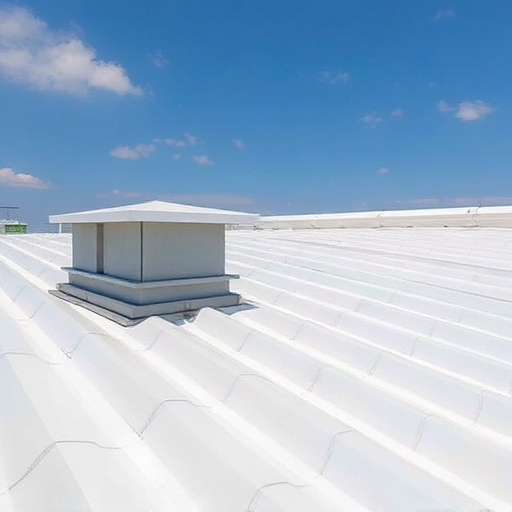
When selecting roofing materials for Southern Arizona homes, particularly in areas like Tucson and Marana, understanding roof material weight limits is crucial for structural integrity and building code compliance. The Arizona Department of Housing and local building code regulations, such as the AZ Building Code, emphasize the importance of proper load-bearing capacity, especially in our region's unique climate.
Concrete tile, a popular choice among Tucson-area homeowners, offers a substantial advantage in terms of weight. Unlike clay tile, which is lighter, concrete tile is known for its durability and ability to withstand heavier loads. This makes it a superior option for homes with larger or more complex roof designs, ensuring a solid and safe structure. When installing a roof on a historic Spanish-style home, concrete tile's weight capacity can be a significant factor in preserving the building's architectural integrity.
However, roof material weight limits go beyond structural considerations. They also impact installation and long-term performance. Heavier materials may require additional structural support, leading to increased installation costs. The National Roofing Contractors Association (NRCA) highlights that some materials, when not properly supported, can lead to roofing issues over time, such as curling or cracking. A local roofing company serving Tucson and Oro Valley, for example, would need to consider these factors to ensure a successful and long-lasting installation.
When designing or replacing a roof, it's essential to consult with architects, building inspectors, and interior designers who understand the local building codes and climate. They can guide homeowners on the appropriate roof material weight limits, ensuring that the chosen material not only meets but exceeds safety standards. Considering factors like material reflectivity ratings and energy efficiency can further optimize the roofing system, contributing to a comfortable indoor environment and potential energy cost savings.
Ensuring Durability: Testing Standards & Practices

Ensuring a roof's durability is paramount, especially in the demanding conditions of southern Arizona. This involves rigorous testing to withstand the region's unique challenges, including intense sunlight, powerful winds, and occasional hailstorms. When evaluating roofing materials, understanding roof material weight limits is critical. Concrete tile, known for its durability, often exceeds 100 pounds per square, requiring structural assessments and proper fastening methods. Conversely, standing seam metal roofing, lighter in weight, offers excellent wind resistance due to its secure, interlocking design.
One key performance metric is fire resistance, rated by organizations like Underwriters Laboratories (UL). Concrete tile, with its dense composition, consistently earns high Class A fire ratings, making it a top choice for areas prone to wildfires. Other materials, like certain synthetic slates and shakes, also offer robust fire protection. When considering roof material weight limits and fire resistance, homeowners and builders in Pima County must comply with local building codes, such as the AZ Building Code, which dictate acceptable material choices and installation practices. Beyond weight and fire, solar reflectance index plays a role in mitigating attic heat gain, a significant factor in the desert climate. Lighter-colored materials, including certain metals and composite tiles, reflect sunlight, helping to keep homes cooler and reducing cooling costs.
Hail damage is another significant concern. Insurance providers like State Farm offer coverage for hail damage, and understanding hail resistant materials is crucial. Testing facilities, like those certified by the National Weather Service (NWS), subject materials to simulated hail impacts to determine their resistance. In areas prone to severe weather, like southern Arizona, selecting hail-resistant options, such as reinforced concrete or impact-rated metal, can prevent costly repairs. Choosing the right roofing material involves balancing roof material weight limits, fire safety, solar reflectance, and weather resistance to ensure a durable, safe, and cost-effective roof for any home or building.
Frequently Asked Questions About an explainer on fire, hail and wind ratings for roofing materials
What are fire, hail, and wind ratings for roofing materials? These ratings are critical indicators of a roofing material's durability and resistance to environmental damage. They are assigned based on tests that simulate extreme weather conditions, including exposure to fire, hail impact, and high-speed wind. The ratings provide homeowners and contractors with essential information about the material's performance and longevity.
How are these ratings determined? Ratings are determined through rigorous laboratory tests. For fire resistance, materials are exposed to high temperatures and flames to assess their burn characteristics and ability to withstand fire. Hail impact testing involves throwing hailstones of varying sizes and speeds at the material to gauge how well it withstands damage. Wind ratings are achieved by subjecting the material to high-speed winds in a controlled environment to simulate extreme weather conditions.
What does a high fire, hail, or wind rating mean? A high rating indicates superior performance in resisting damage from the specific environmental factor. A roofing material with an excellent fire rating can protect your home from potential fire hazards, while a material with a high hail rating is less susceptible to damage during severe storms. Wind ratings assure that the roofing system can withstand high winds without tearing or coming loose.
Which roofing materials have the best ratings? The best ratings vary based on the specific environmental conditions. Clay and metal roofing materials often excel in fire resistance. Asphalt shingles generally have higher hail and wind ratings, making them a popular choice for regions prone to storms. Each material's unique composition and manufacturing process contribute to its specific strengths in these ratings.
How do these ratings impact a roofing project? Understanding these ratings is crucial for selecting the right roofing material for your project. In areas prone to wildfires, fire-resistant materials are essential. Regions with frequent hailstorms may require materials that can withstand high-impact hail. Similarly, homes in hurricane-prone areas should have wind-resistant roofing systems to ensure structural integrity.
Can ratings change over time for a particular material? Ratings can be updated as new testing methods or standards are established. Manufacturers must continually test and validate their products against these evolving standards. Therefore, it's important to refer to the latest ratings when planning a roofing project to ensure the best protection for your property.
As you consider roofing options, understanding fire, hail, and wind ratings, along with material weight limits, is crucial for both performance and safety. This article has explored the significance of these factors, particularly when comparing concrete to clay tile in the Tucson climate. We've learned that roof material weight limits are key design considerations, impacting structural integrity and installation complexity, especially with varying tile weights. Testing standards and practices, such as those from the Underwriters Laboratories and National Weather Service, play a vital role in ensuring durability and resistance to extreme conditions.
By carefully weighing material strength, cost, and performance characteristics, homeowners and contractors can make informed decisions. Metal roofing excels in desert heat and high-wind areas but may not be the most cost-effective choice for all budgets. Synthetic slate and shake offer an appealing aesthetic for Spanish-style homes, while single-ply and foam roofs have their pros and cons, with the latter offering excellent insulation.
The article's insights empower readers to navigate the complex roofing landscape, ensuring both a functional and safe roof. When considering upgrades or new installations, keep these ratings and limitations in mind, ensuring the chosen material aligns with the local climate, building codes, and individual needs, ultimately leading to a durable and efficient roof that stands the test of time.
In southern Arizona, choosing the right roofing material requires understanding fire, hail, and wind ratings, roof material weight limits, and local building code regulations. Concrete and clay tile are popular choices, each with unique advantages: concrete for fire resistance and clay tile for hail resistance. Roof material weight limits are crucial, impacting structural integrity and installation costs. The Solar Reflectance Index influences energy efficiency, while HOA architectural review processes and material resale value are also considerations. Compliance with the AZ Building Code ensures safety and durability in extreme weather conditions.