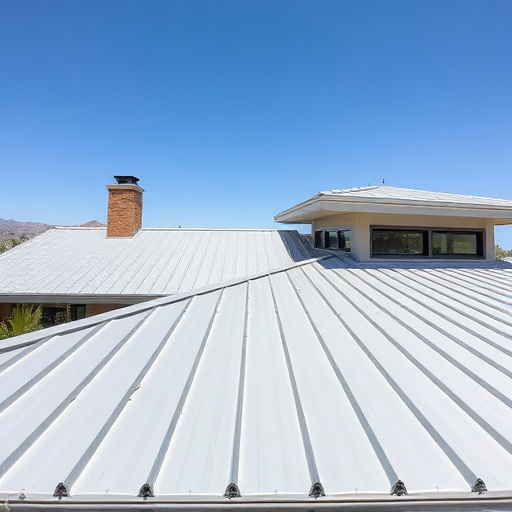
Choosing the right roofing material is a critical decision for any homeowner. The harsh desert climate, with its intense heat, frequent hailstorms, and powerful winds, demands durable and resilient roofing solutions. This guide aims to demystify the process, focusing on fire, hail, and wind ratings-essential factors in withstanding the challenges of our region. We'll examine the pros and cons of various materials, including modified bitumen, its unique properties, and how it compares to traditional clay tile. By the end, you'll be equipped to make an informed choice that protects your home and enhances its value.
- Understanding Fire, Hail, and Wind Ratings
- How Modified Bitumen Measures Up
- Evaluating Roof Material Durability
- Choosing the Right Shingle for Your Climate
Understanding Fire, Hail, and Wind Ratings
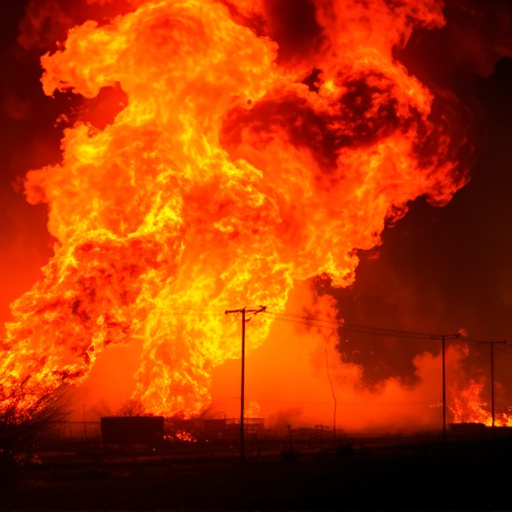
Choosing the right roofing material involves understanding key performance factors like fire, hail, and wind resistance, especially in a climate like southern Arizona's. These ratings are crucial for safety, durability, and the long-term value of your home. Let's break down the significance of each and how it impacts your choices.
Fire ratings are a critical consideration, especially in areas prone to wildfires. Asphalt shingles, for instance, often carry a Class A fire rating, the highest available, making them a popular choice in fire-prone regions. Understanding these ratings is key, as they can impact your insurance premiums and your home's safety during extreme conditions.
Hail damage is another significant concern for homeowners, especially in regions with frequent hailstorms. The United States National Weather Service (NWS) provides data on hail patterns and sizes, which can help guide material selection. Clay and concrete tile, known for their durability, often surpass hail impact tests, making them a preferred choice for areas like Tucson. Conversely, metal roofing, while offering excellent wind resistance, may not be as effective against hail and can dent or damage if struck. The choice here depends on the specific conditions and local preferences, with some homeowners opting for a hybrid approach, combining metal with underlayments designed for hail resistance.
Wind ratings are essential for regions with high wind speeds, like the Tucson area. The Arizona Department of Housing and Building code regulations, such as the AZ Building Code, dictate minimum standards for roofing materials in extreme weather. Single-ply and foam roofs, known for their wind resistance, often meet or exceed these requirements. Modified bitumen, a versatile material, offers a balance between cost and performance, but its pros and cons include variable wind ratings that depend on the specific product and installation. When selecting a material, it's crucial to check local wind load requirements and consult with a licensed roofer, like DC Roofing of Arizona, to ensure the chosen option meets or exceeds these standards.
How Modified Bitumen Measures Up

For choosing a roofing material, especially in Southern Arizona's unique climate, modified bitumen (MB) offers a compelling option. It's a versatile, synthetic material that combines the best of both worlds-the durability of asphalt with the flexibility of rubber. MB is a popular choice for residential and commercial roofs due to its superior fire-resistant properties, making it a top contender against clay tile in fire-prone areas.
Modified bitumen pros and cons are worth considering for any homeowner or roofer. Its thermal emittance-the rate at which it emits heat-is a significant advantage in desert climates. This property helps regulate attic temperatures, reducing the load on cooling systems. MB is highly resistant to tearing and punctures, making it ideal for areas prone to strong winds and hail. However, it's not without drawbacks. MB is more susceptible to UV degradation than traditional asphalt shingles, requiring a thorough understanding of local conditions and proper installation techniques. An experienced southern Arizona roof specialist might recommend using a top coat or underlayment to enhance UV protection.
Comparing MB to other materials, like spray polyurethane foam (SPF) or stone-coated steel, reveals unique benefits. SPF is an excellent insulator, but it's more susceptible to punctures and may not offer the same fire resistance as MB. Stone-coated steel, on the other hand, is incredibly durable and resistant to rust, but it can be heavy, requiring proper structural support. When considering a new roof or replacing an old one, the NAP (National Roofing Contractors Association) recommends evaluating factors like climate, budget, and local building code regulations. In Tucson, the local building code may have specific requirements for roofing materials, especially in high-wind zones.
When deciding between modified bitumen and clay tile, it's essential to weigh the long-term costs and benefits. While clay tile has a long history and aesthetic appeal, MB can be a more cost-effective and resilient choice, especially with proper maintenance. Some insurance providers offer discounts for MB installations due to their superior wind and fire resistance, providing further savings over time.
Evaluating Roof Material Durability
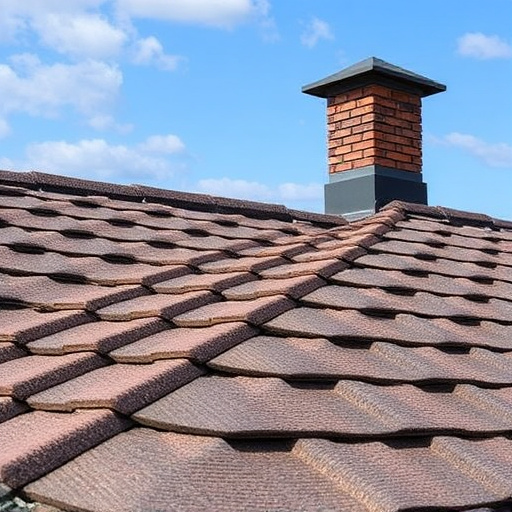
Evaluating the durability of roofing materials is a critical step in ensuring your home's protection against the harsh conditions of Southern Arizona. When considering options, it's essential to understand the pros and cons of modified bitumen, a popular choice known for its versatility. This synthetic roofing material has a protective layer that can withstand fire, making it a top pick for areas prone to wildfires, like Marana. Its impact resistance makes it suitable for high-wind regions, a common concern for Tucson and Oro Valley residents.
However, modified bitumen is not without its drawbacks. It requires specialized installation techniques and is more susceptible to damage from extreme temperatures, especially in the desert heat. This is where standing seam metal roofing excels. Known for its durability and long lifespan, metal roofing can withstand intense heat and is less prone to warping or cracking. Local building code regulations, like those outlined in the AZ Building Code, often favor metal for its strength and fire resistance.
When considering material choices, consult your local roofing company serving Tucson and Oro Valley, as well as HOA architectural review guidelines. They can provide insights into which materials align with your home's style and your region's specific climate challenges. Rubber and composite tiles offer excellent resistance to both fire and hail, making them a smart choice for high-risk areas. Material warranties and insurance coverage, such as Allstate Hail Protection, also play a significant role in ensuring peace of mind.
In terms of cost over time, modified bitumen and metal roofing have distinct advantages. While initial installation costs can vary, metal roofing often provides a better return on investment due to its longevity. Single-ply and foam roofs, for instance, offer efficient protection at a lower upfront cost but may not last as long as modified bitumen or metal. The environmental impact of materials is a growing concern, leading many to favor recyclable roofing options. The National Weather Service (NWS) and local fire departments, like the Tucson Fire Department, emphasize the importance of choosing materials that contribute to a safer, more sustainable home.
Choosing the Right Shingle for Your Climate
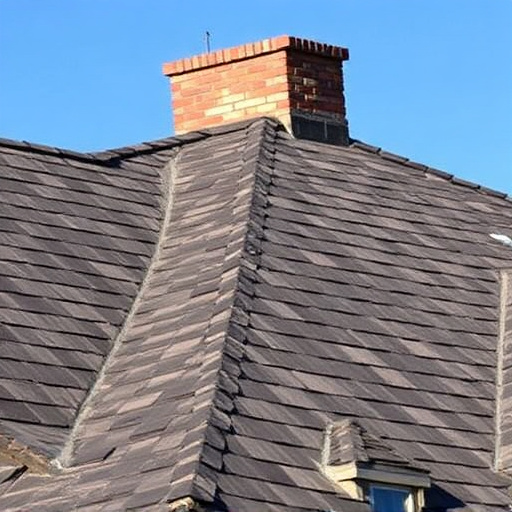
When selecting roofing materials, understanding the specific challenges posed by your region's climate is crucial. This is especially true when comparing concrete and clay tile, both popular choices in the Tucson area. Oro Valley, like much of southern Arizona, faces a unique set of environmental conditions that demand certain characteristics from roofing materials.
Let's break down the pros and cons of modified bitumen, a versatile roofing option. Its synthetic nature offers superior durability and resistance to extreme temperatures, making it a viable choice for desert environments. Modified bitumen has a proven track record against fire, a significant concern in fire-prone areas like Oro Valley. Its thermal emittance, or how effectively it reflects heat, contributes to a cooler roof, reducing the load on air conditioning systems. However, it's not without drawbacks. Installation complexity and the potential for higher costs compared to traditional materials are factors to consider. While modified bitumen is designed for durability, it may not match the longevity of high-quality clay tile in certain conditions.
A licensed Tucson area roofing contractor, like DC Roofing of Arizona, can offer expert guidance on navigating these considerations. They can help you choose materials that align with both your aesthetic preferences and the structural requirements of your home, particularly in light of Oro Valley's unique climate. In areas with frequent hail, a contractor can advise on the most hail-resistant options, balancing cost, durability, and aesthetics. The right roofing material should not only protect your home but also contribute to its energy efficiency and long-term value.
Remember, the decision goes beyond aesthetics and initial cost. Factors like thermal emittance, roof load, and material longevity play significant roles in the overall performance and value of your roof. Understanding these aspects and consulting with professionals ensures you invest in a roofing system that stands the test of time in the demanding climate of Oro Valley.
Frequently Asked Questions About an explainer on fire, hail and wind ratings for roofing materials
What are fire, hail, and wind ratings for roofing materials?
These ratings, often displayed on product labels or in manufacturer's specifications, indicate a material's resistance to specific environmental hazards. Fire ratings measure a material's ability to withstand fire spread, hail ratings assess its durability against large, hard ice pellets, and wind ratings evaluate its strength against high-speed winds, like those during storms. Understanding these ratings is crucial when choosing roofing materials in regions prone to these elements.
How do these ratings help me choose a roof?
Knowing these ratings allows you to select materials best suited to your local climate. In areas prone to wildfires, fire-resistant roofing is essential. Regions with frequent hailstorms require materials that can withstand high-impact impacts. Wind-rated shingles are ideal for coastal areas or areas with severe thunderstorms, ensuring your roof can withstand the strongest gusts.
What does it mean when a roofing material is rated for fire?
A fire rating indicates a material's ability to slow or stop the spread of fire. It's measured by various standards, like UL (Underwriters Laboratories) or ASTM (American Society for Testing and Materials), using controlled laboratory tests. The higher the rating, the better the material's fire resistance. This is crucial for homes in wildfire-prone areas.
How are hail ratings determined?
Hail ratings are based on a material's ability to resist impact from large, hard ice pellets. Manufacturers simulate hail impact using standard tests, like ASTM D4741. The number of pellets passing through or leaving a mark on the material determines its hail rating, with higher ratings indicating superior resistance.
What wind speeds can a wind-rated roof withstand?
Wind ratings specify the minimum wind speed a roofing system can endure without failure. These ratings, typically in miles per hour (mph) or meters per second (m/s), are region-specific. A "Class 4" wind rating means the roof can withstand winds up to 140 mph, suitable for severe storm zones. Always consult local building codes for specific wind ratings.
Are there any industry standards for these ratings?
Yes, various industry standards, like those set by ASTM, UL, and ASHRAE (American Society of Heating, Refrigerating and Air-Conditioning Engineers), govern fire, hail, and wind ratings. These standards ensure consistency in testing and interpretation, enabling consumers and contractors to make informed choices based on reliable data.
Understanding fire, hail, and wind ratings is crucial when selecting roofing materials, especially in a region like southern Arizona, subject to extreme weather. The article has highlighted the importance of modified bitumen as a versatile option, offering both durability and cost-effectiveness. Its pros and cons are evident: it excels in fire resistance, with Class A fire ratings, and provides excellent protection against hail damage, making it a top choice for high-risk areas. However, its resistance to extreme heat and wind may vary, requiring careful consideration.
When comparing to traditional clay tile, the article has underscored the significance of weight classes and material choice for both new installations and additions. For flat roofs, synthetic slate and shake, single-ply, and foam roofs offer low-maintenance solutions, while the durability of concrete is unmatched. Energy-efficient options, like rubber and composite tiles, are also available, contributing to a building's overall sustainability.
Practical steps for homeowners and builders include reviewing local building codes and HOA design guidelines, seeking expert advice from architects and building inspectors, and considering material warranties. By balancing cost, longevity, and local conditions, and weighing the modified bitumen pros and cons, professionals can make informed decisions, ensuring roofs withstand the test of time, extreme weather, and enhance a property's value.
Choosing the right roofing material in southern Arizona involves understanding fire, hail, and wind resistance, key performance factors in a harsh climate. Modified bitumen, a versatile synthetic material, offers advantages like superior fire resistance and thermal emittance, but is more susceptible to UV degradation and requires careful installation. Clay tile, known for durability, excels in fire resistance but may not withstand hail or extreme temperatures. Comparing materials, considering local building codes, and consulting with a licensed roofer, like DC Roofing of Arizona, help navigate these factors to select a safe, durable, and cost-effective roofing solution tailored to Oro Valley's unique climate challenges.