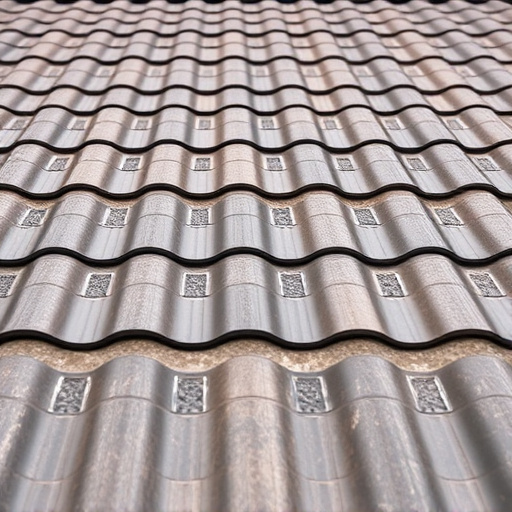
Choosing the right roofing material is crucial for any homeowner in southern Arizona, where extreme heat, strong winds, and occasional severe weather can put immense strain on your roof. The decision between concrete and clay tile, for instance, goes beyond aesthetics, affecting energy efficiency, long-term costs, and even safety. With an array of options, including metal, synthetic slate, single-ply, and modified bitumen, understanding their pros, cons, and long-term performance is essential. This guide will navigate you through the process, helping you make an informed choice that's both practical and cost-effective, while also considering local building codes, HOA guidelines, and Class A fire ratings. Let's explore the best materials for your home, ensuring both durability and safety.
- Understanding Fire Safety Requirements in Southern Arizona
- Evaluating Popular Roofing Materials for Your Home
- Class A Fire Ratings: Key Considerations for Roof Selection
- Local Climate, Budget, and Style: Final Choosing Factors
Understanding Fire Safety Requirements in Southern Arizona
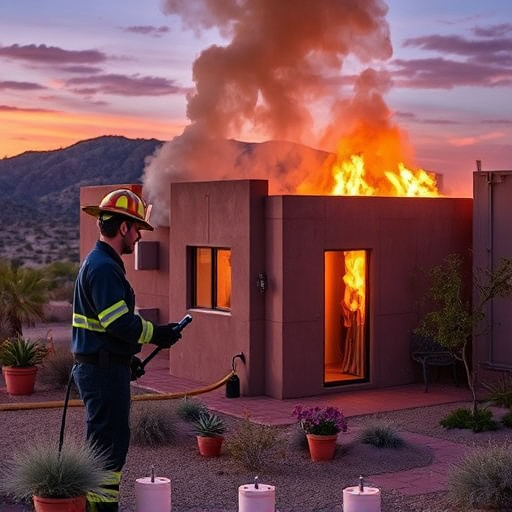
When choosing a roofing material for a home in southern Arizona, understanding fire safety requirements is crucial. The intense heat and dry climate make fire risk a significant concern, especially with the potential for lightning strikes during the monsoon season. One critical factor to consider is the material's Class A fire rating, which indicates its ability to withstand and prevent the spread of fire.
In southern Arizona, where wildfires are a frequent threat, selecting roofing materials with a Class A fire rating is essential for homeowner safety and property protection. This rating is assigned based on rigorous testing by organizations like Underwriters Laboratories (UL), ensuring the material meets specific fire performance standards. Modified bitumen, for instance, is a popular choice due to its inherent fire resistance and high solar reflectance index, which can help reduce heat absorption and cooling costs. Other materials, such as rubber and composite tiles, also offer excellent Class A fire ratings, providing peace of mind for homeowners.
Local building code regulations, like those enforced by the City of Tucson Building Department, often mandate the use of fire-resistant materials, especially in areas prone to wildfires. Homeowners and contractors should familiarize themselves with these codes to ensure compliance. In Oro Valley, where the risk of wildfires is elevated, using materials with a Class A fire rating may be a requirement. A local roofing company serving Tucson and Oro Valley can offer guidance on navigating these regulations and selecting the best fire-safe options for each specific project.
The dead load of the roofing material-its weight per unit area-should be considered. Heavier materials, while often providing superior strength and fire resistance, may require additional structural support. This is particularly important in areas like southern Arizona, where roofs often need to withstand not only fire but also the weight of snow during the winter months. Properly designing the roof structure to accommodate the chosen material's dead load ensures a safe and durable installation, mitigating potential hazards and ensuring compliance with local building codes.
Evaluating Popular Roofing Materials for Your Home
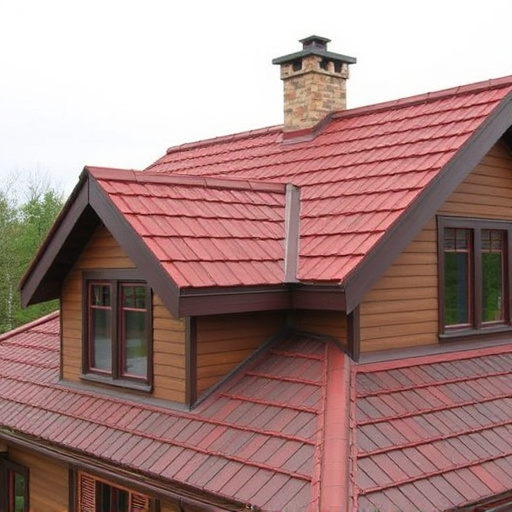
When choosing a roofing material for your southern Arizona home, the first consideration is the local climate. The scorching desert heat demands materials that can withstand extreme temperatures, resist degradation, and offer long-term protection. Among the most popular options, concrete tile and standing seam metal consistently rise to the top for their durability and performance. Concrete tile is a local favorite among homeowners and a roofer with an Arizona ROC license due to its superior heat tolerance, Class A fire ratings, and ability to provide a classic aesthetic that complements the region's Spanish-style architecture.
However, concrete tile isn't without its drawbacks. Its weight-typically around 130 pounds per square-can be a challenge for older structures or homes without adequate structural support. Concrete tile can be more prone to damage from heavy hail events, though some manufacturers offer enhanced versions with better impact resistance. On the other hand, standing seam metal roofing offers excellent wind resistance and, with proper installation, can last for decades. It's a wise choice for high-wind areas, and its smooth, seamless design can be easily adapted to a variety of architectural styles, from traditional to modern.
When navigating the decision, consider the local building code regulations and your home's specific needs. The Arizona Department of Housing and local building inspectors can provide guidance on approved materials, such as those listed in the HOA architectural review guidelines for your community. For flat roofs or carports, low-maintenance options like single-ply membranes or foam roofs might be preferable. These materials are lightweight, cost-effective, and require minimal upkeep, making them suitable choices for both new construction and renovations. Remember, each material has its unique set of advantages and limitations, and consulting with a local roofing expert can help you make an informed decision tailored to your home.
Class A Fire Ratings: Key Considerations for Roof Selection
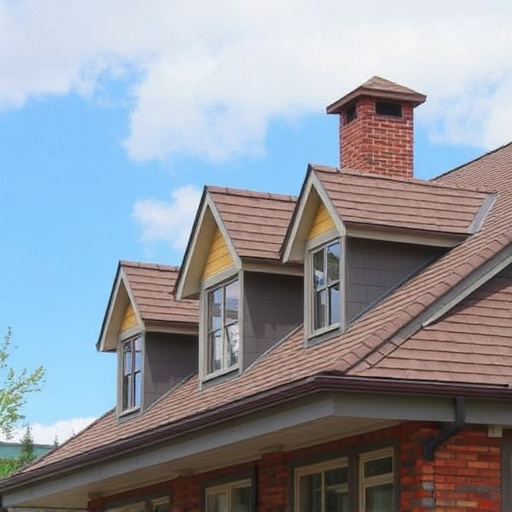
When selecting a roofing material for your Oro Valley home, especially given our region's specific climate and building codes, understanding Class A fire ratings is crucial. These ratings, assigned by Underwriters Laboratories (UL), indicate a material's ability to resist fire spread and heat transfer. In southern Arizona, with its high-desert conditions, fire safety is paramount.
Traditional clay and concrete tiles, popular in our area, often carry Class A fire ratings. This rating signifies their effectiveness in preventing the rapid spread of flame and heat, which can be critical during wildfires. However, not all tiles are created equal; some may have lower ratings due to variations in manufacturing processes. A licensed Arizona roofer can guide you in selecting tiles that meet the stringent Class A standards, ensuring your home is well-protected.
To fire safety, consider the dead load-the weight of the roof itself-when selecting materials. Some roofing options, like metal, are lighter and may be more suitable for older structures or homes in areas prone to high winds. Conversely, heavier materials like concrete tiles may be preferable for larger, more substantial homes. Oro Valley's building code regulations, as outlined in the AZ Building Code, play a significant role in material choices, particularly regarding load-bearing capacities and fire safety.
HOA architectural review processes further complicate material selection. Many Oro Valley HOAs have specific guidelines regarding roofing materials, often favoring low-maintenance, fire-resistant options. The Southern Arizona Homeowners Association (SAHA) may require Class A fire ratings and approve materials that align with regional climate experts' recommendations for our desert environment. When mixing roof materials or considering unique designs, always consult with local building inspectors and your HOA to ensure compliance with both building codes and design guidelines.
Local Climate, Budget, and Style: Final Choosing Factors
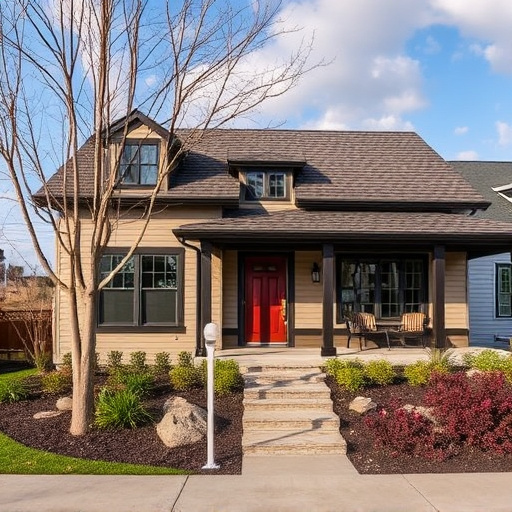
When making a decision on roofing materials, the local climate, budget, and personal style are the final deciding factors. In southern Arizona, where the sun shines brightly and winds can be powerful, selecting the right roofing material is crucial for both the longevity of your roof and your home's value.
The intense desert heat requires roofing materials that can withstand high temperatures and minimize heat transfer into the home. Stone coated steel, for example, offers excellent thermal resistance and is designed to reflect sunlight, helping to keep your home cool. This option aligns well with both budget and style considerations, as it's affordable and aesthetically pleasing with its modern, sleek appearance. On the other hand, if your priority is fire safety, consider that stone coated steel and spray polyurethane foam (SPF) both carry Class A fire ratings, indicating their superior flame resistance. SPF, known for its exceptional insulation properties, can also contribute to energy efficiency, which might be a bonus for your wallet in the long run.
While clay tile has long been a popular choice for its classic, Spanish-style aesthetic, its weight can be a concern in our region. Clay tiles are heavy, and their installation requires robust structural support, which could add to the initial cost. In contrast, synthetic slate and shake offer a lighter alternative while still resembling traditional tile, and they're often more budget-friendly. For flat roofs, single-ply or modified bitumen membranes, often combined with a reflective underlayment, provide a cost-effective, low-maintenance solution. These materials are also environmentally friendly, as many offer recyclability and are designed to last for several decades.
When choosing a roofing contractor, consider a local one serving Pima County. They'll be familiar with the region's specific building code regulations and design guidelines, ensuring your roof not only looks great but also meets all necessary requirements. Remember, the final decision should balance your climate, financial, and aesthetic needs, leading to a roof that protects your home and enhances its value for years to come.
Frequently Asked Questions About a Practical Guide to Choosing a Roofing Material for a Southern Arizona Home
What factors should I consider when choosing a roofing material?
When selecting a roofing material, consider your climate, budget, home style, maintenance level, and local building codes. Southern Arizona's hot, sunny climate requires materials that can withstand high heat and UV exposure. Metal roofing, tile, and reflective shingles are popular choices for their durability and energy-saving properties. Keep your budget in mind, as materials vary greatly in cost. Consult with a local roofing contractor to understand local code requirements and ensure compliance.
Which roofing materials are best for energy efficiency in warm climates like southern Arizona?
Reflective or cool roof materials, such as certain metal, tile, and coated shingles, are highly effective for energy efficiency in warm climates. These materials reflect sunlight, reducing heat transfer into your home and lowering cooling costs. Energy-efficient roofing can also qualify for local incentives or rebates.
How long do different roofing materials last?
Roofing material lifespans vary:
- Asphalt shingles: 25-30 years
- Metal roofing: 40-60 years
- Tile roofing: 50-75 years
- Wood shakes/shingles: 25-35 years
What is the difference between a single-layer and multi-layer roof?
A single-layer roof consists of just one layer of material, like asphalt shingles. Multi-layer roofs, common in warmer regions, incorporate underlayment, flashing, and sometimes an additional layer of protection for enhanced durability and leak prevention. In southern Arizona, a multi-layer approach is often recommended.
Can I install my own roof, or should I hire a professional?
While some homeowners are capable of DIY roof installation, it's generally recommended to hire a licensed, experienced roofing contractor for several reasons: their expertise ensures a proper installation, they carry insurance to protect you and your property, and they adhere to local building codes. In Arizona, it's crucial to follow strict building standards.
Choosing a roof is a crucial decision for any homeowner, especially in southern Arizona where climate, cost, and safety play significant roles. By understanding Class A fire ratings and evaluating factors like local climate and budget, you can make an informed choice that not only meets building codes but also protects your home. The article has guided you through the complexities of roofing materials, highlighting the benefits and drawbacks of concrete, clay tile, metal, and synthetic options. Key insights include the long-term cost-effectiveness of materials, their resistance to desert heat and hail, and the importance of heat-tolerant underlayments.
When selecting a roofing material, consider the following practical steps:
- Research local building codes and HOA guidelines to ensure your chosen material complies with regulations.
- Evaluate your budget and the long-term cost of materials, taking into account their lifespan, warranties, and energy efficiency.
- Match the material to your home's style and architectural design, considering the aesthetics of your neighborhood, especially if adding to an existing roof.
- Prioritize safety by choosing materials with high Class A fire ratings, ideal for high-wind areas prone to wildfires.
By incorporating these considerations, you'll make a well-informed decision, ensuring your southern Arizona home is protected with a durable, safe, and aesthetically pleasing roof.
When choosing a roofing material for southern Arizona, prioritize Class A fire ratings for safety, especially in wildfire-prone areas like Oro Valley. Consider the dead load of the material, structural support requirements, and local building code regulations. Popular options include concrete tile and standing seam metal, each with unique benefits and drawbacks. For guidance, consult with a local roofing expert and your HOA to ensure compliance with building codes and design guidelines, especially when mixing materials or considering unique designs.