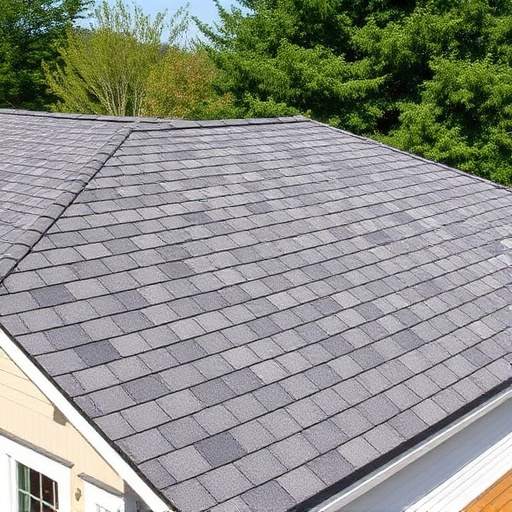
Choosing the right roof material is a crucial decision, balancing aesthetics, performance, and regulatory compliance. In our desert climate, homeowners often grapple with the age-old dilemma: metal vs. Clay tile. The heat can be relentless, testing the limits of different materials. This article provides expert advice on navigating this complex choice, considering both home style and Homeowners Association (HOA) rules. We'll examine the pros and cons of metal roofing in extreme heat, explore weight class considerations, and discuss how to harmonize new installations with existing architecture. By the end, you'll be equipped to make an informed decision, ensuring your roof not only enhances your home's beauty but also stands the test of time and local regulations.
- Assess Your Home's Style and HOA Regulations
- Understand Desert Heat Impacts on Roof Materials
- Metal vs. Tile: Performance and Aesthetics in the Desert
- Make an Informed Decision: Rooftop Material Selection
Assess Your Home's Style and HOA Regulations
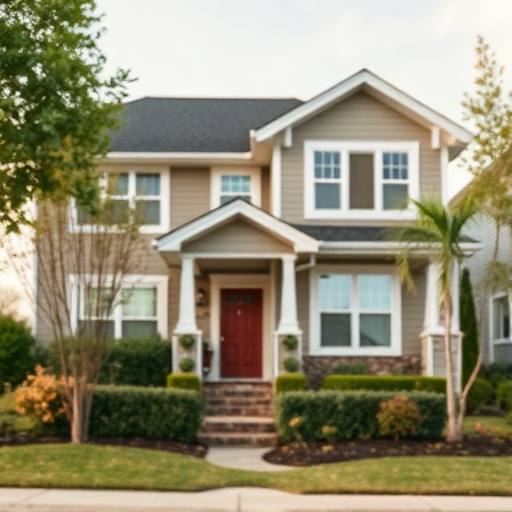
When choosing a roof material, understanding your home's architectural style and local Homeowners Association (HOA) regulations is crucial. This is especially true when considering the unique conditions of a desert climate, such as Tucson's. A Spanish-style home with its distinct tile roof may dictate a specific material choice that respects both aesthetics and local norms.
DC Roofing of Arizona, a licensed Tucson area roofing contractor, advises clients to assess both their home's design and HOA rules before selecting a roofing material. The local climate presents unique challenges. Metal roofing, for example, can be an excellent choice in desert heat, offering superior reflectivity to combat high temperatures and minimize attic heat gain. However, not all HOAs allow metal roofs, and certain styles may be more suited to traditional materials like clay or synthetic slate. The key is to find a material that complements your home's architecture and complies with HOA guidelines.
Consider the weight of your roof load. Some materials, like spray polyurethane foam (SPF), offer exceptional insulation and can be a cost-effective, low-maintenance option for flat roofs. Yet, not all roofing systems are created equal; SPF, for instance, may not be suitable for all structures. Check your home's structural integrity and local building code regulations, such as those outlined in the Arizona Building Code, to ensure the safety and feasibility of your chosen material. Consult with local architects, interior designers, and building inspectors to navigate HOA design guidelines, especially when matching additions or renovations to existing roofs. The goal is to create a harmonious, code-compliant, and aesthetically pleasing finish.
Understand Desert Heat Impacts on Roof Materials
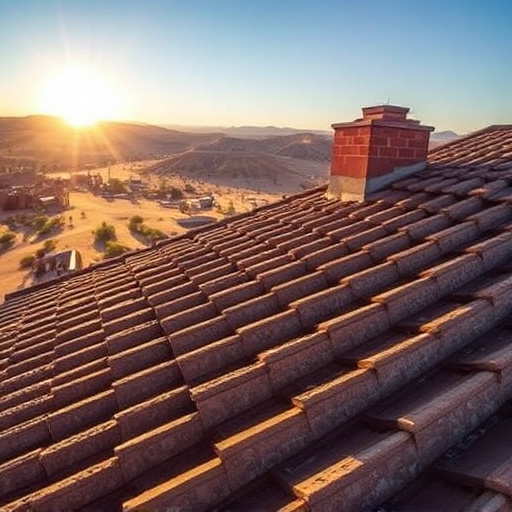
In desert environments like Tucson, the choice of roof materials is crucial not only for aesthetic appeal but also for the structural integrity and longevity of the roof. When considering metal vs. Tile in desert heat, it's essential to understand how each material performs under the region's unique conditions. The harsh desert climate, characterized by intense sunlight and high temperatures, can significantly impact roofing choices. While clay tiles have long been a popular option, their performance in the Tucson heat requires careful consideration.
Metal roofing, a growing trend in southern Arizona, offers several advantages in desert heat. Metals like aluminum and steel are lightweight, making them easier to install and less stressful on the home's structural framework. Metal roofs reflect a significant portion of the sun's heat, keeping the home cooler and reducing energy costs. This is especially important in homes with Spanish architectural styles, where flat roofs are common. A licensed Tucson area roofing contractor can help select heat-tolerant underlayments and metals with a high solar reflectance index, ensuring the roof performs well under intense desert conditions.
When comparing to clay tiles, metal roofing excels in fire resistance, a critical factor for homeowners in areas prone to wildfires, like parts of Tucson and Oro Valley. Metal roofs can achieve Class A fire ratings, the highest available, providing superior protection against fire spread. Metal is more resistant to pests like lizards and snakes, which are attracted to clay tiles as nesting sites. HOA architectural review boards often approve metal roofing due to its durability, low maintenance, and modern aesthetics. However, it's crucial to consider the initial cost, as metal roofing tends to be more expensive upfront, but its longevity and energy savings can offset this over time.
The decision between metal and tile should also factor in the home's age and any additions or renovations. When matching materials to an existing roof, consider the weight limits specified in the AZ Building Code. For flat roofs or Spanish-style homes, metal roofing offers a practical solution that aligns with modern energy-efficiency goals. By understanding the desert heat impact, homeowners and builders can make informed choices that enhance the home's value, safety, and comfort.
Metal vs. Tile: Performance and Aesthetics in the Desert
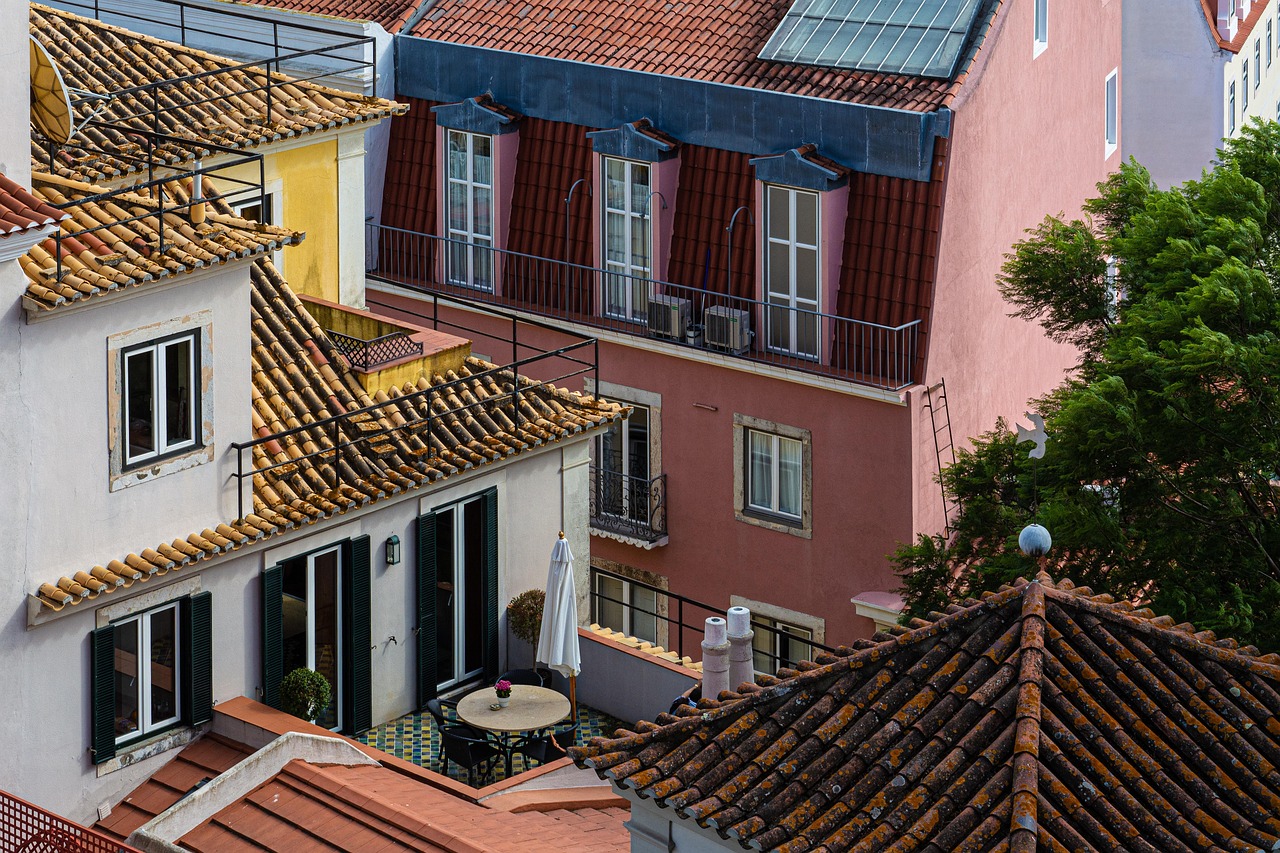
In the arid climate of southern Arizona, the choice between metal and tile roofing is a crucial decision that impacts both the performance and longevity of a home's roof. When considering metal versus tile in desert heat, several key factors come into play. First, let's examine the material's weight and structural load requirements. Tile, whether concrete or clay, often adds a substantial dead load to a roof, necessitating adequate structural support. In contrast, metal roofing is lighter, making it a more suitable choice for homes with weaker structural frames, a consideration especially relevant when adding or replacing a roof.
A roofing contractor serving Pima County, such as DC Roofing of Arizona, can provide expert guidance on balancing these considerations. In desert regions, where intense, direct sunlight can lead to rapid temperature changes, metal roofing excels. Its reflective properties help mitigate roofing and attic heat gain, reducing the overall cooling load on the home. This is particularly important in Spanish-style homes, common in Tucson, which often feature expansive roofs designed to let in light but can be prone to heat-related issues. Metal roofing's ability to reflect heat can lower energy costs and contribute to a more sustainable home.
For safety and performance, metal roofing offers distinct advantages. Many metal roofing products carry Class A fire ratings, indicating their superior resistance to fire spread. This is a significant consideration in areas prone to wildfires, such as Oro Valley. Metal is more resistant to hail damage, a common threat in this region. While concrete tile is also hail-resistant, metal's inherent flexibility can better withstand the impact of large hail, making it a more durable choice in high-wind areas. However, it's crucial to note that mixing different roofing materials on a single home may present challenges, particularly when navigating HOA rules. Many Southern Arizona Homeowners Associations (SAHA) have specific design guidelines, and a roofing contractor can help ensure compliance while achieving the desired aesthetic.
Make an Informed Decision: Rooftop Material Selection
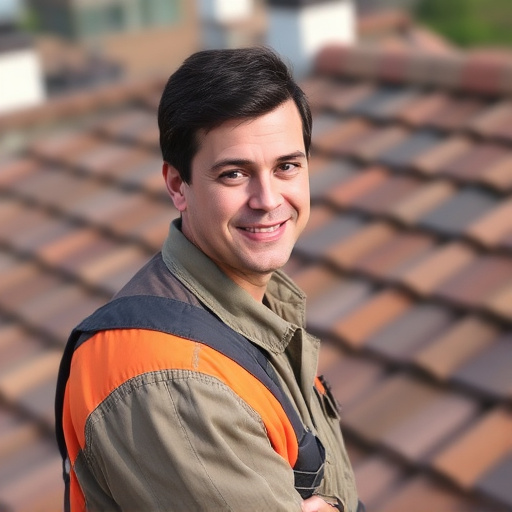
When making a decision about roofing materials, homeowners in southern Arizona must consider both aesthetics and functional factors, especially in a region characterized by intense desert heat. The choice between metal and clay tile roofs is a central consideration, with each material presenting distinct advantages and limitations. A roofing contractor serving Pima County emphasizes that understanding the local climate and your home's style is crucial, often guiding clients toward materials that balance durability, energy efficiency, and visual appeal.
Clay tile roofs have long been popular in the region, offering a classic, Mediterranean aesthetic. These tiles are heavy, durable, and capable of withstanding high winds and extreme temperatures. However, their thermal emittance properties can lead to increased attic heat gain during the summer months, potentially impacting energy costs. To mitigate this, local building codes and HOA architectural review processes may mandate specific underlayments and cooling measures to ensure optimal performance. The Arizona Department of Housing and local building inspectors often recommend heat-reflective underlayments and ventilation systems to counteract the desert heat.
In contrast, metal roofing has gained popularity for its versatility and low maintenance. Metal is lightweight, making it easier to install on various roof shapes and angles. It also offers excellent thermal emittance, helping to keep homes cooler and reducing attic heat gain. This makes metal a sensible choice for those seeking energy efficiency. Yet, not all metal roofing is created equal; different alloys and finishes have varying levels of durability and reflectivity. Homeowners should consult with a roofing contractor to understand the best options for their specific needs and local conditions. A local architect might recommend a copper or tin alloy for a Spanish-style home, leveraging the material's natural aesthetic appeal and heat tolerance.
The decision between metal and clay tile roofs should be guided by a combination of personal preference, structural considerations, and energy efficiency goals. Consulting with a licensed roofing contractor, like DC Roofing of Arizona, can provide valuable insights into navigating HOA rules and ensuring a rooftop that complements both your home's style and the region's unique climate.
Frequently Asked Questions About advice on matching roof materials to home style and HOA rules
What is the best way to choose a roof material that complements my home's style?
Consider your home's architectural style, color palette, and overall aesthetic. A modern home with clean lines and minimalist details may look best with a flat, low-profile roof like a metal or composite material. In contrast, a traditional home with intricate details could be complemented by a steeper, shingled roof like clay or asphalt. Researching and visualizing different options online or with a roofing contractor can also help you make an informed decision.
Are there any specific roof materials that align better with certain home styles?
Absolutely. Here are some common pairings:
- Ranch-style homes: Metal or composite roofs offer a sleek, low-maintenance option that complements the straightforward lines of a ranch.
- Cottage or Victorian homes: Clay or asphalt shingles with a wide range of colors and textures can enhance the charming, detailed character of these styles.
- Contemporary or mid-century modern homes: Flat or low-sloped metal roofs are a popular choice, providing a clean, contemporary look.
Do I need to consider my HOA's rules when choosing a roof material?
Definitely. Homeowners' associations (HOAs) often have specific guidelines regarding roof materials, colors, and styles. Review your HOA's rules and regulations carefully. Some HOAs have restrictions on the type of roofing material you can use, as well as specific color palettes or design details. Working with a contractor familiar with your HOA's requirements can help ensure compliance.
What if my HOA doesn't have specific rules? How do I still make a good choice?
Even without formal HOA guidelines, it's wise to choose a roof material that aligns with your home's style and the surrounding properties. A well-chosen roof can enhance the overall aesthetic appeal of your neighborhood. DC Roofing of Arizona, a local Tucson roofer, can offer expert advice on materials that are both functional and aesthetically pleasing.
Are there any cost considerations when selecting a roof material?
Yes, cost is an important factor. Different roof materials have varying price points, ranging from budget-friendly options like asphalt shingles to more premium materials like metal or tile. Consider both the upfront cost and long-term maintenance expenses when making your selection. A roofing contractor can provide a detailed estimate for your chosen material and help you weigh the costs.
What about the lifespan of different roof materials? Which ones last the longest?
The lifespan of a roof varies depending on the material. Generally, metal and tile roofs offer the longest lifespan, often lasting 50 years or more with proper maintenance. Asphalt shingles, while less expensive, typically have a lifespan of 25 to 30 years. Clay and composite shingles fall in the middle range, with lifespans of around 30 to 40 years.
When choosing roof materials, understanding your home's style and local HOA rules is crucial, especially in the unique desert climate. The article has guided you through the process, highlighting key considerations. We've seen that metal roofing excels in the desert heat, offering superior durability and performance compared to tile. Clay tile, though aesthetically pleasing, can be heavy and may not align with modern building codes or HOA guidelines, especially for Spanish-style homes.
The decision between metal and tile should consider long-term costs, maintenance, and energy efficiency. Metal roofing, with its low weight and Class A fire ratings, is a smart choice for high-wind areas and can even reduce attic heat gain. On the other hand, synthetic slate and shake offer the look of tile without the heat retention, and single-ply or foam roofs provide cost-effective, low-maintenance options.
A thoughtful approach to rooftop material selection ensures your home's style is enhanced while adhering to local regulations. By balancing aesthetics, functionality, and compliance, you can make an informed decision that stands the test of time and the desert heat.
Summary:
Choosing a roof in desert heat like Tucson requires balancing aesthetics, structural integrity, and energy efficiency. Metal roofing excels in heat reflection, fire resistance, and low maintenance, but initial costs are higher. Clay tile roofs offer classic style but can contribute to attic heat gain. Both must comply with HOA regulations and local building codes, especially for flat roofs and Spanish-style homes. Consult a licensed roofing contractor like DC Roofing of Arizona to assess structural integrity, energy efficiency, and design guidelines for a harmonious, code-compliant, and aesthetically pleasing finish.