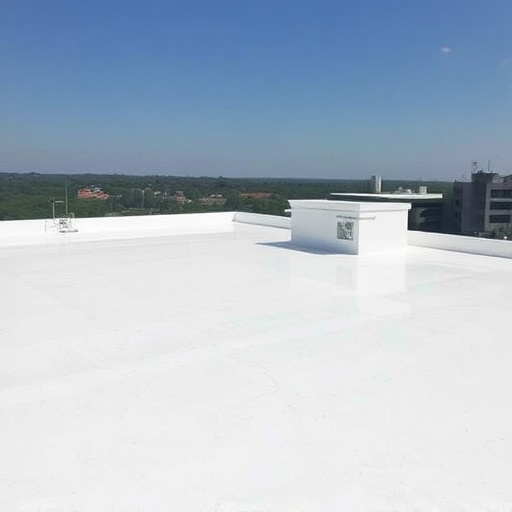
Choosing the right roofing material is crucial in hot, arid climates like Tucson, where extreme temperatures and intense sunlight can significantly impact a structure's energy efficiency and long-term integrity. The ongoing debate between traditional clay tile and modern alternatives like metal roofing compounds, foam, shingles, and synthetic slate has left many homeowners and builders questioning which material offers the best balance of durability, cost-effectiveness, and performance in the desert heat. This article examines the pros and cons of each option, with a specific focus on metal vs. Clay tile in desert heat, to provide a practical guide for making an informed decision.
- Desert Heat: Impact on Roofing Materials
- Tile vs Foam: Desert Performance Analysis
- Shingle Durability in Arid Climes
- Metal Roofs: A Desert Heat Champion?
Desert Heat: Impact on Roofing Materials
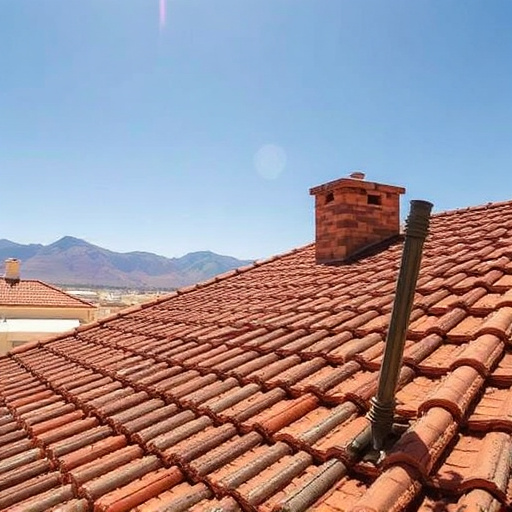
In the arid climate of Oro Valley, Marana, and Tucson, the sun's intensity and heat play a crucial role in the performance and longevity of roofing materials. When considering a new roof or replacing an old one, understanding how different materials fare in desert heat is essential. This is where metal roofing, traditionally a popular choice in these regions, offers distinct advantages over its tile counterpart.
The heat from the intense Arizona sun can significantly impact roofing materials, causing them to expand, contract, and degrade over time. Tile roofs, whether concrete or clay, can be susceptible to heat-related issues. Concrete tiles, despite their durability, may experience thermal expansion and contraction, leading to potential cracks or warping. Clay tiles, while aesthetically pleasing, are more delicate; prolonged exposure to desert heat can cause them to become brittle, increasing the risk of breakage during installation, maintenance, or even a minor storm. In contrast, metal roofing, such as standing seam metal, is designed to handle extreme temperatures. Its flexibility allows it to expand and contract without damage, ensuring a more durable and long-lasting solution.
When comparing metal vs tile in desert heat, a roofer with an Arizona ROC license often recommends metal for its superior heat tolerance. Metal roofing materials, like aluminum or steel, are engineered to resist heat-induced damage. They do not become brittle or prone to breakage, ensuring a consistent performance over the years. Metal roofs often include underlayments and flashing designed to protect against heat transfer, reducing the risk of attic heat gain and associated energy costs. In contrast, tile roofs may require additional measures to mitigate heat issues, such as reflective underlayments or special installation techniques to minimize thermal impact. This attention to detail is crucial in maintaining the structural integrity and energy efficiency of a home in the face of extreme desert temperatures.
Tile vs Foam: Desert Performance Analysis
In the scorching desert climate of southern Arizona, choosing the right roofing material is crucial for energy efficiency, longevity, and structural integrity. For a comparison of tile and foam roofs, each has its strengths and weaknesses in this demanding environment. This analysis focuses on how these materials perform under the intense heat and other unique conditions of the Tucson region, guiding homeowners and architects in making informed decisions.
Tile roofs, whether concrete or clay, have long been a popular choice in arid climates. They offer excellent durability and a traditional aesthetic. However, in the desert heat, tile faces some challenges. Clay tiles, for instance, can be heavy, requiring reinforced structures, and they can absorb heat, leading to increased attic temperatures. Concrete tiles, while lighter, still contribute to higher indoor temperatures unless treated with reflective coatings. In contrast, foam roofs, particularly those with modified bitumen, provide exceptional insulation and energy efficiency. A study by the Tucson-based Southern Arizona Homeowners Association (SAHA) found that foam roofs can significantly reduce attic heat gain compared to tile, leading to lower air conditioning costs. Foam roofs are relatively lightweight, making them suitable for older structures without reinforced framing.
When considering metal vs tile in desert heat, metal roofing stands out as a superior choice. Standing seam metal roofs, for example, are designed to reflect heat and are highly energy-efficient. They offer a Class 4 impact rating, ensuring resilience against intense monsoons and potential hail events, common in the region. An experienced southern Arizona roof specialist recommends metal for its longevity and low maintenance. Unlike tile, metal does not absorb heat, keeping the attic cooler, and its reflective surface reduces the overall energy load on the building. While initial costs may be higher, the energy savings and reduced maintenance over the 30-year lifespan make metal a compelling option. Metal roofs can be easily matched to complement existing Spanish-style homes, preserving the architectural integrity of these iconic structures.
Shingle Durability in Arid Climes
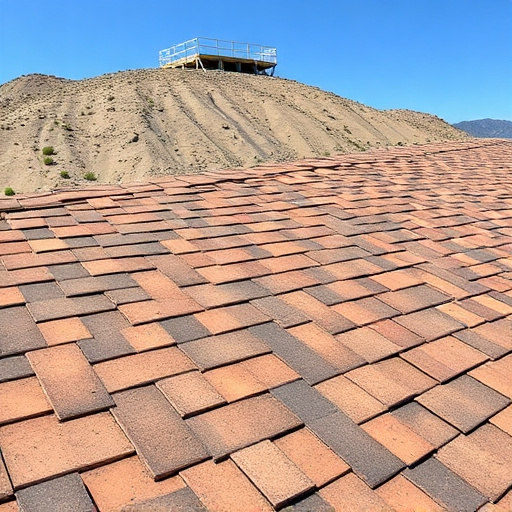
In arid climates like the desert sun, choosing the right roofing material is paramount. When considering metal vs. Tile in desert heat, the durability and performance of shingles become paramount. Shingles, a popular choice for many homeowners, face unique challenges in such environments, where intense sunlight, high temperatures, and low humidity can accelerate wear and tear.
The durability of shingles in desert heat is significantly influenced by their composition and installation. Asphalt shingles, for instance, are susceptible to thermal degradation, leading to cracking and early failure. According to the National Weather Service, extreme heat can cause asphalt shingles to become brittle, increasing the risk of damage during storms. Conversely, standing seam metal roofing, a preferred choice for many desert areas, offers superior resistance to heat and UV exposure. A roofer with an Arizona ROC license often recommends metal over shingles due to its longevity in these harsh conditions.
One of the key advantages of metal roofing is its ability to reflect heat, reducing the amount of heat transferred to the attic and, consequently, the entire home. In contrast, clay and concrete tiles, while durable, have lower reflectivity ratings and can significantly contribute to attic heat gain.
The weight of roofing materials is a factor, especially in areas prone to high winds. Clay and concrete tiles, known for their weight and brittleness, can be vulnerable to breakage during storms. Conversely, lightweight metal roofing offers a safer, more durable option. Many local building codes, like the AZ Building Code, acknowledge this, setting weight limits for roofs and providing guidelines for safe installations. In Oro Valley, the design guidelines from the Southern Arizona Homeowners Association (SAHA) strictly regulate tile roofing to prevent structural issues.
When considering a long-term investment, metal roofing's superior performance in desert heat becomes even more evident. Over a 30-year period, the material cost of metal roofing can be competitive with, or even surpass, that of clay tiles, when factoring in reduced replacement frequency and lower energy costs. Metal roofs often qualify for significant energy rebates, making them an attractive, sustainable choice for desert homeowners.
Metal Roofs: A Desert Heat Champion?
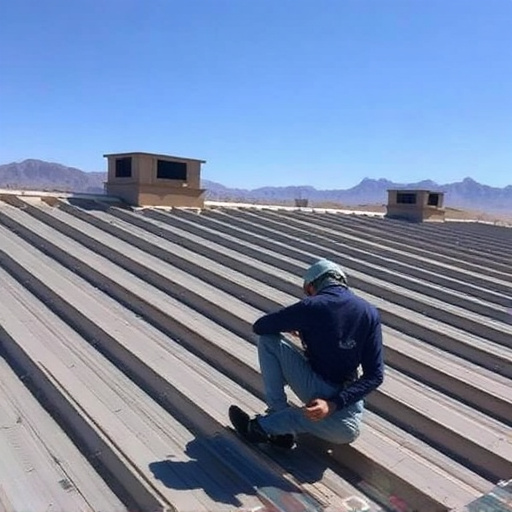
For choosing a roofing material for the desert sun, metal roofs stand out as a superior option when compared to traditional tile, foam, or shingle roofs. In an environment characterized by intense heat and high humidity, metal roofing offers a unique combination of durability, reflectivity, and low maintenance that makes it a champion for desert climates.
Let's examine the specifics. Metal vs tile in desert heat presents an interesting contrast. Clay and concrete tiles, while aesthetically pleasing, are susceptible to heat absorption, leading to increased attic temperatures and potential structural issues over time. In contrast, metal roofs are designed to reflect a significant portion of the sun's radiation, minimizing heat transfer into the home. This reflective property, coupled with proper underlayment and spray polyurethane foam (SPF) insulation, can result in substantial energy savings during the sweltering desert summers.
Metal roofing offers long-term benefits. Unlike tiles, which can crack or become loose in extreme conditions, metal roofs are known for their resilience. They can withstand high winds, extreme temperatures, and even hailstorms, thanks to their rigid structure and the use of modern, durable materials. A licensed Arizona roofer will attest to the growing preference for metal roofs among homeowners in the region, driven by their longevity and reduced maintenance requirements. To their structural advantages, metal roofs are often backed by extensive warranties, providing peace of mind for years to come.
When considering a roof for a desert home, the choice between metal and tile should be guided by practical, long-term considerations. Metal roofs, with their reflective properties and superior durability, offer a sustainable and cost-effective solution for the unique challenges posed by the desert climate.
Frequently Asked Questions About a comparison of tile, foam, shingle and metal roofs in desert heat
What is the best roof type for a desert climate?
In the scorching heat of a desert, metal roofing excels. Its reflective surface helps dissipate heat, keeping your home cooler and reducing energy costs. Metal roofs are durable, low-maintenance, and can withstand extreme temperatures and strong winds, common during monsoon storms. They're a smart, long-term investment for desert homes.
How do tile roofs hold up in hot desert environments?
While tile roofs are aesthetically pleasing, they're not ideal for desert heat. Clay or ceramic tiles absorb heat, making them hot to the touch and potentially contributing to your home's overall temperature. They can be heavy, requiring reinforced framing, and they're prone to cracking in sudden temperature changes during monsoon storms.
Are foam roofs a viable option in desert regions?
Foam roofs, or spray foam insulation, offer excellent energy efficiency, but they're not a primary roof covering option in desert climates. The material can become brittle and crack in extreme heat, compromising its effectiveness. Foam roofs require specialized installation and can be challenging to maintain in the face of desert conditions.
What are the advantages of metal roofing over shingles in desert areas?
Metal roofing offers several advantages over shingles in desert environments. It's more resistant to fire, rot, and pests. Metal roofs don't require frequent repairs or replacements, unlike shingles prone to damage from intense UV radiation and sudden weather shifts. Plus, metal roofing is quieter during storms due to its smooth surface, providing better sound insulation.
Can shingles handle the heat and storms of a desert?
Shingles are a popular choice, but they struggle in desert conditions. They can become brittle and crack under intense heat, and they're vulnerable to wind damage during storms. Shingles also require more frequent replacing due to their shorter lifespan in such harsh climates, increasing long-term maintenance costs.
How do metal roofs compare to other types in terms of maintenance?
Metal roofs require minimal maintenance, just occasional cleaning and occasional touch-ups with paint or coating. In contrast, tile and shingle roofs demand regular cleaning, repair, and replacement. Foam roofs, while energy-efficient, require specialized care and can be challenging to maintain in extreme heat.
In the harsh desert climate, choosing the right roofing material is crucial for both aesthetic appeal and structural integrity. Our analysis reveals that while clay tile and foam roofs have their merits, metal roofing emerges as a superior option in terms of heat tolerance and longevity. Metal roofs, known for their durability and ability to reflect heat, effectively mitigate the damaging effects of desert sun.
Compared to tile, which can be susceptible to breakage under extreme heat, metal offers a more sustainable solution. Metal roofing's superior strength and flexibility allow it to withstand high winds and extreme temperature fluctuations, making it a top choice for areas prone to monsoon storms. Its lightweight nature reduces structural stress on buildings, a significant advantage for older structures or those with historical architectural styles.
When considering the long-term investment, metal roofing's cost-effectiveness becomes evident. While the initial installation may be more expensive than tile or foam, its extended lifespan and resistance to rot, rust, and mold make it a cost-efficient option over 30 years. Many metal roofing materials are recyclable, aligning with modern sustainability goals.
For desert environments, metal roofing provides an ideal balance of performance, durability, and low maintenance. It is a practical choice for homeowners, contractors, and architects looking to create long-lasting, heat-resistant structures, ensuring that the roof is as durable as the landscape it protects.
Metal vs Tile in Arid Climates: Why Metal Is Superior
In the scorching desert sun, choosing the right roofing material is crucial. Metal roofing outperforms tile in several key areas:
- Heat Resistance: Metal reflects heat, preventing attic temperature spikes, while tile can absorb heat, contributing to higher indoor temps.
- Durability: Metal is flexible, resistant to cracking, and more resilient against extreme weather, unlike brittle tile.
- Energy Efficiency: Metal roofs reduce energy costs with superior insulation and reflectivity, saving money in the long run.
- Maintenance: Metal requires less maintenance over its 30-year lifespan, offering peace of mind.
- Warranty: Metal roofs often come with extensive warranties, ensuring long-term protection.
When considering a roof for a desert home, metal's durability, energy savings, and low maintenance make it a superior choice to tile in these unique climates.