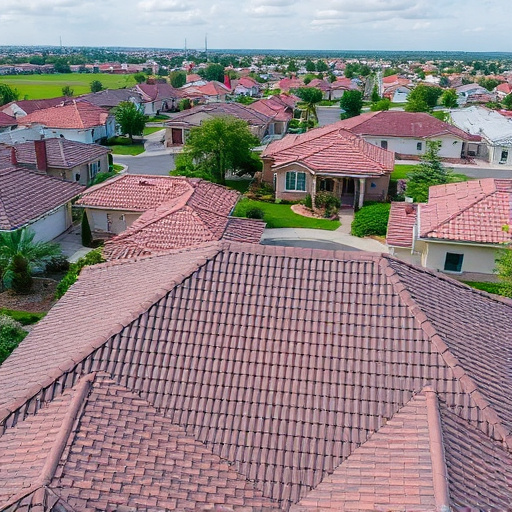
Choosing the right roofing material is crucial for any Tucson homeowner, especially when considering the area's unique climate and environmental challenges. With the frequent occurrence of fires, hailstorms, and high winds, selecting a durable and safe roofing solution is paramount. This article examines the complex world of roofing materials, focusing on concrete and clay tile, to help you navigate the options, understand their ratings for fire, hail, and wind resistance, and discover the low-maintenance alternatives that can best protect your home. By the end, you'll be equipped to make an informed decision, ensuring your roof stands strong against the forces of nature.
- Understanding Fire, Hail, and Wind Ratings
- Key Factors in Low Maintenance Roof Selection
- Comparing Clay Tile vs. Low Maintenance Options
- Best Practices for High-Performance Roof Installation
Understanding Fire, Hail, and Wind Ratings
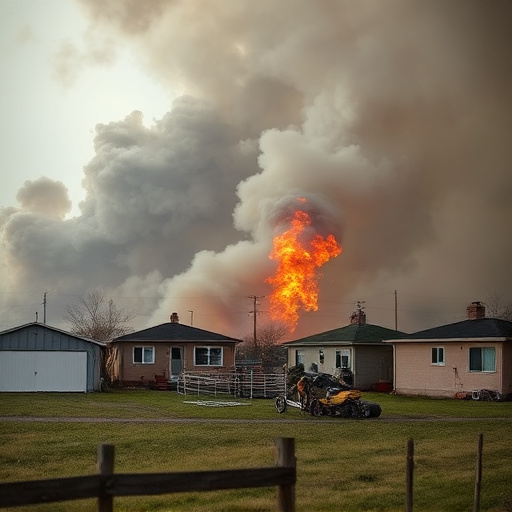
Understanding Fire, Hail, and Wind Ratings for Roofing Materials
When selecting roofing materials, homeowners and property managers in Oro Valley, Tucson, and throughout southern Arizona need to consider more than just aesthetics and cost. The region's unique climate, with hot summers, frequent hailstorms, and occasional high winds, demands roofing that can withstand these harsh conditions. This is where fire, hail, and wind ratings come into play, providing critical insights into the durability and safety of various roofing options. These ratings are crucial, especially when opting for low-maintenance roof materials that can reduce long-term maintenance costs.
Fire ratings, such as Class A fire resistance as designated by Underwriters Laboratories (UL), are essential for homes in areas prone to wildfires. These ratings ensure that roofing materials can withstand direct exposure to flames and embers, minimizing the risk of fire spread. Concrete and certain types of modified bitumen-a popular roofing material known for its durability and flexibility-typically carry high fire ratings, making them suitable choices for fire-prone regions. The Arizona Department of Housing and local building code regulations emphasize the importance of fire-resistant roofing, especially in rural areas.
Hail resistance is another critical factor, particularly in regions like southern Arizona, where hailstorms can cause significant property damage. Ratings from organizations like the National Weather Service (NWS) and local insurance providers, such as State Farm's Allstate Hail Protection, help homeowners choose materials that can withstand these intense weather events. Clay tile, while popular for its aesthetic appeal, often requires additional underlayments and reinforcement to achieve adequate hail resistance. In contrast, concrete roofing, with its inherent hardness and impact resistance, typically excels in hail-prone areas.
Wind ratings, measured in pounds per square foot (psf), indicate a roofing material's ability to withstand high winds, which are common during thunderstorms and monsoons in southern Arizona. The local building code, as outlined in the AZ Building Code, often mandates minimum wind ratings for roofing, especially in areas with high wind exposure. For flat roofs or low-slope roofs, which are common in Spanish-style homes, choosing materials with high wind ratings is crucial. Rubber and composite tiles, known for their flexibility and durability, can offer excellent wind resistance when installed properly. A licensed Arizona roofer can provide expert advice on the best materials and installation techniques for specific wind load requirements.
Thermal emittance, or material reflectivity, is another aspect that contributes to a roofing system's overall performance. High thermal emittance materials can help reduce roofing and attic heat gain, leading to improved energy efficiency and lower cooling costs. This is particularly relevant for desert regions like southern Arizona, where high temperatures and intense sunshine can make homes uncomfortably warm. Modified bitumen, when incorporated with reflective underlayments, can be an effective solution for achieving better thermal control.
By understanding and considering these fire, hail, and wind ratings, homeowners and property managers can make informed decisions when selecting low-maintenance roof materials that are suitable for the local climate and building code requirements. This approach ensures not only the safety and longevity of the roofing system but also the overall energy efficiency and resilience of the structure.
Key Factors in Low Maintenance Roof Selection
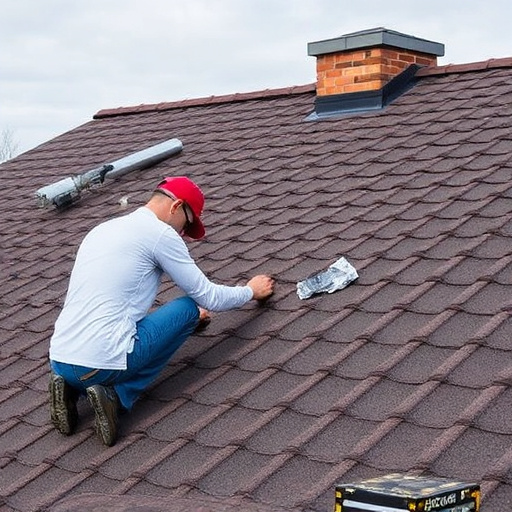
When selecting roofing materials, particularly for the Tucson area, such as Oro Valley, homeowners and property managers should prioritize low-maintenance options. This decision is crucial, as a roof is a significant investment, and its longevity and performance can impact a property's value. Among the key factors to consider when choosing low-maintenance roof materials are their fire, hail, and wind resistance ratings, as well as their environmental impact, solar reflectance, and long-term durability.
A licensed Tucson area roofing contractor, DC Roofing of Arizona, often recommends materials that offer superior protection against extreme weather conditions, common in our desert climate. Metal roofing has gained popularity due to its exceptional wind resistance and ability to reflect heat, reducing attic heat gain. This is especially valuable in maintaining a comfortable indoor temperature and lowering cooling costs. However, not all metal roofs are created equal; some varieties excel in fire resistance, achieving Class A fire ratings, while others may require special underlayments to enhance their performance in high winds.
When considering alternatives to metal or clay tile, synthetic slate and shake offer a visually appealing, low-maintenance option. These materials mimic the look of natural slate or shake but are lighter in weight, making installation faster and often more cost-effective. Single-ply and foam roofs are also popular choices due to their simplicity and durability. Modified bitumen, a common single-ply material, offers excellent resistance to both fire and hail, but its performance can be affected by temperature extremes. Therefore, when selecting low-maintenance roof materials, it's essential to balance factors like solar reflectance, heat tolerance, and the local climate to ensure optimal performance and longevity, especially in the face of strict HOA architectural review guidelines.
To functional considerations, the environmental impact of roofing materials is becoming increasingly important. Some products are now designed to be more sustainable, with recyclable compositions and longer lifespans, reducing the need for frequent replacements. Homeowners in Oro Valley, with its diverse architectural styles, including Spanish-inspired designs, can benefit from choosing low-maintenance materials that complement their homes' aesthetics while meeting the region's building code regulations. For carports and other non-residential structures, rubber and composite tiles offer durable, low-maintenance solutions. The key is to strike a balance between functionality, aesthetics, and environmental responsibility, ensuring your roofing choices are suitable for both the property and the local climate.
Comparing Clay Tile vs. Low Maintenance Options
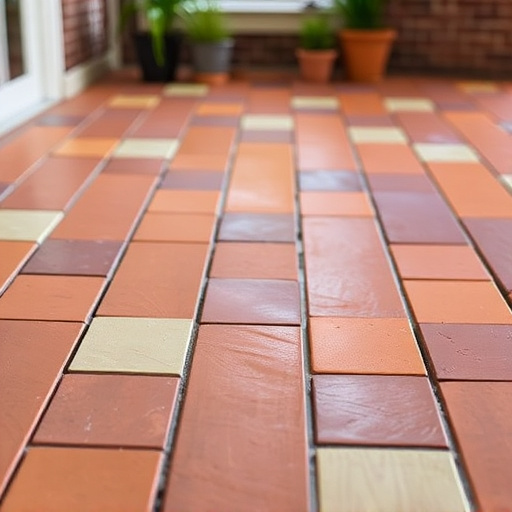
When selecting roofing materials for your Oro Valley home, particularly in a climate that presents extreme conditions like desert heat, high winds, and occasional hail, the choice between clay tile and low maintenance options deserves careful consideration. While clay tile offers classic aesthetic appeal and durability, its weight, fragility, and maintenance requirements can be drawbacks. Low maintenance roof materials, on the other hand, provide contemporary solutions tailored to today's homeowners, focusing on long-term performance, reduced upkeep, and cost-effectiveness.
In this context, concrete stands out as a low maintenance alternative to clay tile. Unlike clay, concrete tiles are significantly lighter, offering reduced strain on structures and easier installation. They possess superior thermal emittance, which can contribute to better roofing performance in the desert heat, as it helps to regulate internal temperatures. Concrete tiles are highly resistant to hail, a common concern in our region, and require minimal maintenance, ensuring a low-fuss solution for homeowners. DC Roofing of Arizona, a licensed Tucson area roofing contractor, often recommends concrete tiles for their clients seeking both durability and ease of care.
While single-ply and foam roofs are popular low maintenance options, each has its pros and cons. Single-ply membranes, known for their simplicity and lower cost, offer excellent resistance to tears and punctures. However, they may not withstand extreme wind conditions as effectively as more robust systems. Foam roofs, on the other hand, provide superior insulation, but their lifespan can be shorter due to potential exposure to moisture and UV radiation. Choosing the right underlayment, a crucial component that acts as a buffer between the roof deck and the main roofing material, can significantly enhance the performance of both systems. Heat-tolerant underlayments, recommended by local building code regulations like the AZ Building Code, are essential for protecting against thermal damage in our climate.
When selecting low maintenance materials, consider the specific needs of your Oro Valley home. For flat roofs, materials like rubber or composite tiles offer practical solutions, providing superior flexibility and reduced weight. These options are well-suited for matching additions to older structures, ensuring a seamless aesthetic. Modern low maintenance roofs can contribute to energy efficiency, potentially qualifying for incentives and rebates, as supported by local building supply stores and insurance providers. Some insurance companies, such as State Farm, offer discounts for homes with energy-efficient roofing, enhancing the financial benefits of choosing the right low maintenance materials.
Best Practices for High-Performance Roof Installation
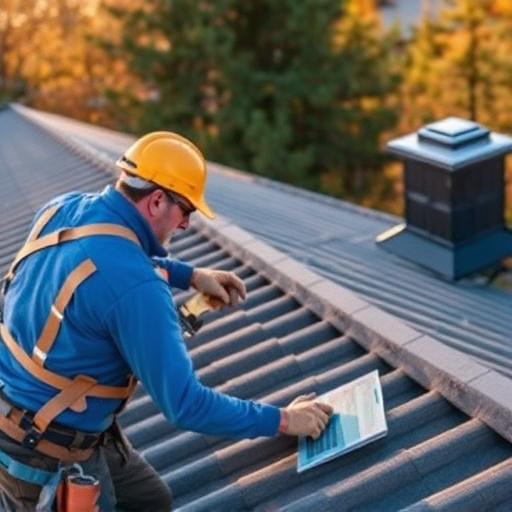
When selecting and installing high-performance roofing materials, a licensed Tucson area roofing contractor like DC Roofing of Arizona knows that understanding fire, hail, and wind ratings is crucial. These ratings, integrated with considerations of solar reflectance index, determine not only the longevity of the roof but also its contribution to energy efficiency and structural integrity, especially in our desert climate. When comparing concrete and clay tile, both have their merits, but concrete often outperforms clay tile in extreme weather conditions like hailstorms, thanks to its superior impact resistance.
Best practices for high-performance roof installation involve a multi-layered approach. First, consider spray polyurethane foam (SPF), a popular choice for flat roofs due to its exceptional insulation properties, low maintenance, and high fire ratings. SPF also offers a high solar reflectance index, helping to mitigate roofing and attic heat gain, a significant benefit in our hot climate. However, proper installation and adherence to local building code regulations, like those in the AZ Building Code, are paramount. A local building inspector from the City of Tucson Building Department will ensure that any roof material, including SPF, is securely fastened and meets required load standards, which can range from 1 to 3 times the local wind speed.
Another low maintenance roof material worth considering is a synthetic slate or shake alternative. These materials offer the aesthetic appeal of natural slate or shake while providing superior wind resistance and Class A fire ratings, the highest available. When mixed with appropriate underlayments and fastening systems approved by local HOAs like the Southern Arizona Homeowners Association (SAHA), these materials can provide decades of reliable protection. For older homes, matching additions to existing roofs can enhance both curb appeal and structural integrity. Recyclable roofing materials and energy-efficient options, like modified bitumen with a high solar reflectance index, can contribute to both environmental sustainability and reduced energy costs over a 30-year lifespan.
Frequently Asked Questions About an explainer on fire, hail and wind ratings for roofing materials
What are fire, hail, and wind ratings, and why are they important?
These ratings are crucial indicators of a roofing material's performance and durability under extreme weather conditions. They provide homeowners and contractors with vital information about a product's resistance to damage from fires, hailstorms, and strong winds. Understanding these ratings ensures that your roof can withstand local climate challenges, enhancing its lifespan and your property's safety.
How do fire ratings work, and what does a high rating mean?
Fire ratings, often expressed as Class A, B, or C, determine a material's resistance to fire spread. A high rating, like Class A, signifies the product's ability to prevent fire from spreading across its surface, reducing fire hazards and offering better protection during flames or sparks. This is especially relevant in regions prone to wildfires.
What distinguishes a hail-resistant roofing material?
Hail resistance is measured by how well a material withstands impact from large ice pellets. Ratings range from low to high, indicating the size and number of hailstones the material can endure without damage. High-rated materials, like those designed for extreme conditions, offer better protection against significant hail events, ensuring your roof remains intact.
Can you explain wind ratings and their significance?
Wind ratings assess a roofing material's ability to withstand high wind speeds, typically during storms. These ratings are crucial for regions with frequent, intense storms. Materials with high wind resistance, indicated by stronger classifications, are less likely to blow away or sustain damage, ensuring a secure roof during turbulent weather.
How do these ratings impact my choice of roofing material?
These ratings are decisive factors in selecting suitable roofing materials for your location. In areas prone to wildfires, Class A fire-rated materials are essential. Similarly, regions with frequent hailstorms should opt for highly hail-resistant options. Understanding these ratings ensures you invest in materials that align with your region's unique weather challenges.
Are there any local or regional standards for these ratings?
Indeed, many areas have specific requirements for roofing materials based on local climate conditions. DC Roofing of Arizona, a licensed Tucson area roofing contractor, recommends materials with high fire, hail, and wind ratings for their clients. Always consult local building codes and consult with a qualified roofer for the best recommendations tailored to your region.
When selecting roofing materials, understanding fire, hail, and wind ratings is crucial for long-term protection and investment. The article has highlighted the importance of these ratings in guiding homeowners toward low maintenance roof materials that offer superior durability and resistance. By comparing clay tile to low-maintenance alternatives, we've seen that modern options like concrete, metal, and synthetic materials can provide cost-effective, long-lasting solutions.
Best practices for high-performance roof installation include adhering to local building code regulations, such as those outlined in the Arizona Building Code, and considering specific climate challenges, like desert heat and high winds. Incorporating heat-tolerant underlayments and utilizing material warranties can further enhance the performance and longevity of any roof system.
For homeowners looking to minimize maintenance, low maintenance roof materials like concrete, metal, and some synthetic slate and shake options are ideal choices. These materials are not only resistant to hail but also have a proven track record of withstanding extreme weather conditions, including those specified by the National Weather Service. Their energy-efficient properties can lead to significant savings over 30 years and beyond, as well as potential energy rebates.
By considering fire, hail, and wind ratings, understanding building codes, and selecting low maintenance roof materials, homeowners can ensure their roofs meet the rigorous demands of Southern Arizona's climate while maintaining their property's resale value. This strategic approach not only protects investments but also ensures peace of mind for years to come.
Roofing Material Selection: Prioritizing Performance in Southern Arizona
In Oro Valley, Tucson, and southern Arizona, homeowners need low-maintenance roofing that can withstand harsh weather, including wildfires, hailstorms, and high winds. Key ratings and considerations:
- Fire Resistance: Concrete, modified bitumen, and synthetic slate/shake offer high fire ratings (Class A UL) for wildfire-prone areas.
- Hail Resistance: Concrete and synthetic materials excel in hail resistance, while clay tile may require additional underlayments.
- Wind Ratings: Rubber, composite tiles, and modified bitumen meet high wind requirements for flat roofs, as per AZ Building Code.
- Thermal Emittance: Materials like modified bitumen with reflective underlayments reduce roofing heat gain for energy efficiency.
- Sustainability: Some products prioritize environmental impact with recyclable compositions and longer lifespans.
Choose materials based on local climate, building code, and aesthetic preferences, ensuring longevity, safety, and energy efficiency. Consult a licensed Tucson area roofing contractor like DC Roofing of Arizona for expert advice.